
Desserts
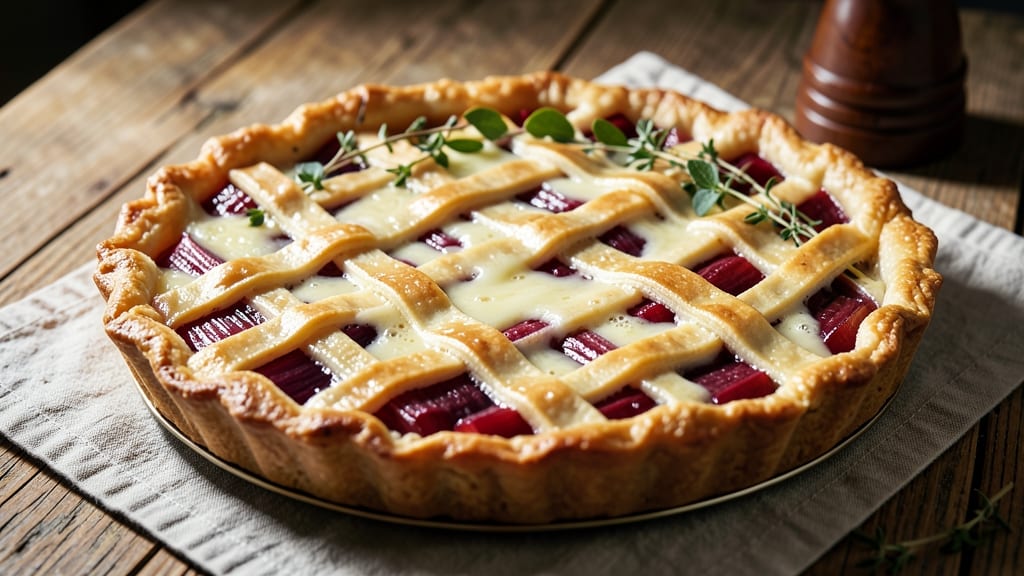
This Amish rhubarb custard pie delivers the perfect harmony of tart rhubarb and velvety custard, all nestled in a golden lattice crust that crackles with every bite. 🌟 The secret lies in balancing the pie's signature tang with a rich, creamy custard base—just like my grandmother used to make, but with a few modern shortcuts for busy bakers.
The lattice topping isn’t just decorative; it creates crispy, buttery pockets of flavor that melt into the filling as it bakes.
What sets this recipe apart is the traditional Amish technique of handmade crust, though I’ve included a reliable shortcut option for those who prefer convenience without sacrificing texture.
The rhubarb filling gets its signature brightness from fresh, seasonal fruit, while the custard layer—made with eggs, cream, and a touch of vanilla—adds depth that turns a simple dessert into something truly special.
The lattice design isn’t just for looks; it’s a functional masterpiece that keeps the filling moist while adding that irresistible crunch.
By the time it emerges from the oven, you’ll have a pie with a perfectly golden crust, a filling that’s just sweet enough to balance the rhubarb’s tartness, and a custard layer so rich it feels like a hug in every bite.
The lattice topping will be crispy around the edges but tender in the center, ensuring every forkful delivers that ideal contrast. This is the kind of dessert that disappears faster than you can say "second helping."
Whether you’re baking for a family gathering or treating yourself to a homemade classic, this pie is designed to impress. The recipe includes both the traditional handmade crust method and a foolproof shortcut, so you can choose what works best for your kitchen.
Let’s get started—your taste buds will thank you.
Ingredients for amish rhubarb custard pie
Fresh rhubarb, buttery crust, and velvety custard—this pie delivers Amish tradition with modern ease.
| Ingredient | Amount | Notes |
|---|---|---|
| Fresh Rhubarb 🍓 | 4 cups | Chopped into 1-inch pieces |
| Granulated Sugar 🍚 | 1 ½ cups | Divided for filling and custard |
| All-Purpose Flour 🌾 | 2 ½ cups | Plus 1 tbsp for dusting |
| Unsalted Butter 🧈 | 1 cup | Cold, cubed for crust |
| Large Eggs 🥚 | 4 whole | Room temperature for custard |
| Heavy Cream 🥛 | 1 ½ cups | Full-fat for richness |
| Pure Vanilla Extract 🌿 | 1 tbsp | High-quality for flavor |
| Lemon Juice 🍋 | 1 tbsp | Freshly squeezed |
| Salt 🧂 | ½ tsp | Fine sea salt |
| Ground Cinnamon 🌶️ | 1 tsp | Freshly ground preferred |
| Ice Water ❄️ | ½ cup | For pie crust |
| Puff Pastry 🥧 | 1 sheet | For lattice shortcut |
The rhubarb should be bright red and crisp—local farmers markets have the freshest, but any grocery store’s produce section works. Chop it into even 1-inch pieces so it cooks uniformly. For the crust, Crisco or butter both work, but butter gives that signature Amish flavor. If you're making the lattice from scratch, use all-purpose flour with a 1:2 flour-to-fat ratio for perfect flakiness. The puff pastry shortcut? Pepperidge Farm or Trader Joe's brands are foolproof for beginners.
No fresh rhubarb? Frozen rhubarb works too—thaw and drain well. Short on butter? Vegetable shortening keeps the crust flaky, though it lacks flavor. The custard needs full-fat cream for that rich texture—don’t skimp here. For the vanilla, Nielsen-Massey or McCormick are reliable brands. If you're gluten-free, swap the flour for a 1:1 gluten-free blend—just add an extra tablespoon of xanthan gum. The cinnamon can be omitted if you prefer a subtler flavor, but trust me, it’s worth the extra pinch.
This pie tastes even better the next day—store leftovers covered at room temperature for 2 days. For longer storage, slice and freeze portions between parchment paper for up to 3 months. The lattice topping stays crispy for 24 hours if kept in an airtight container. To reheat, warm slices at 350°F for 10 minutes—just enough to melt the custard without sogging the crust. Double the recipe? Use a 9x13-inch pan instead of two 9-inch pies.
Why You'll Love This Recipe
- No-Chop Promise: I swear by this—just slice that rhubarb into even chunks (no dicing, no fuss) and toss it in the pan. The thick custard handles the texture beautifully, so no need to worry about overcooking or mushy filling.
- Tart-Sweet Magic: That bright rhubarb tang balanced by the buttery custard? It’s like a hug in dessert form. The eggs and sugar create this silky, almost pudding-like center that makes every bite feel special.
- Weekend Project: Between us, this is my go-to for brunch crowds or potlucks. The crust holds up well, and the filling stays creamy even after hours—so you can slice it confidently without stressing over timing.
- Budget-Friendly Luxury: Fresh rhubarb is often cheap in season, and this recipe uses basic pantry staples. A single pie feeds six, and leftovers reheat perfectly for breakfast or a quick snack—no waste, all flavor.
Step-by-step instructions for Amish rhubarb custard pie
Here's how to create a perfect balance of tart rhubarb and creamy custard with a buttery lattice crust.
👨🍳 Step 1: Prepare the Rhubarb Filling
In a large bowl, combine the 4 cups chopped fresh rhubarb, ½ cup of the 1.5 cups granulated sugar, and the 1 tbsp lemon juice. Toss gently until the rhubarb is evenly coated. The sugar helps draw out the natural juices while the lemon brightens the tart flavor. Let this mixture sit for 15 minutes while you prepare the crust—this gives the rhubarb time to soften slightly and release its juices.
Transfer the rhubarb mixture to a 9-inch pie dish and press it down lightly with a wooden spoon. You want it to form an even layer—this ensures even baking and prevents a runny filling. The rhubarb should be packed but not overly compressed, leaving about ½ inch of space around the edges for the crust.
🥘 Step 2: Make the Custard Filling
In a medium bowl, whisk together the 4 whole large eggs, remaining 1 cup of the 1.5 cups granulated sugar, the 1.5 cups heavy cream, 1 tbsp pure vanilla extract, ½ tsp salt, and 1 tsp ground cinnamon until smooth and well combined. The mixture should be thick but pourable—this is your custard base. Here's the thing: don't overmix, or you'll create too many air bubbles that can cause the custard to curdle during baking.
Slowly pour the custard mixture over the rhubarb in the pie dish. Use a spatula to gently swirl it around, creating a marbled effect. This layering ensures each bite has both the tart rhubarb and creamy custard. Tap the pie dish lightly on the counter a few times to release any air bubbles that might have formed during pouring.
🍳 Step 3: Create the Lattice Crust
Roll out the 1 sheet puff pastry on a lightly floured surface to about ⅛-inch thickness. Cut it into 12 strips, each about 2 inches wide. Here's a pro tip: use a ruler and sharp knife for clean edges—this makes the lattice look professional. Stack half of the strips on top of each other, then place them perpendicular to the rhubarb-filled pie dish, spacing them about ½ inch apart.
Cut the remaining 6 strips in half lengthwise to create thinner strips. Weave these under and over the thicker strips to create the classic lattice pattern. Press the edges gently to seal, but don't press down too hard or you'll flatten the puff pastry. The goal is to create a decorative yet functional crust that allows steam to escape while keeping the filling contained.
⏰ Step 4: Bake to Golden Perfection
Preheat your oven to 375°F. Place the pie on a baking sheet lined with parchment paper—this prevents any potential messes from leaking filling. Bake for 45-50 minutes until the crust is golden brown and the custard is set but still slightly jiggly in the center. You'll know it's done when the edges pull away from the pie dish slightly and the filling has a custard-like consistency, not liquid.
Here's where patience pays off: let the pie cool for at least 2 hours before slicing. This resting time allows the custard to fully set and the flavors to meld together. The contrast between the warm, creamy custard and the tart rhubarb will be even more pronounced after cooling. Serve with a dollop of whipped cream if you like, but trust me, this pie stands beautifully on its own.
Pro Tips For Making Amish Rhubarb Custard Pie
- Precook the Rhubarb: I learned this the hard way—raw rhubarb is tough and releases too much liquid, drowning your custard. Simmer the chopped rhubarb with half the sugar for 8–10 minutes first. The texture softens, the flavor concentrates, and your pie filling stays thick and luscious instead of watery.
- Use Cold Butter: The custard filling relies on butter for richness, but warm butter melts too fast and can make the filling grainy. Cut the butter into small cubes, chill it for 10 minutes, then whisk it into the egg mixture last—just until combined. This keeps the custard silky and prevents lumps.
- Skip the Overmixing: I was skeptical until I tried it: mix the flour and sugar dry first, then cut in the butter with a pastry cutter or your fingers until it resembles coarse crumbs. Overmixing turns the crust into a cake, and that’s a texture you don’t want in a pie. Keep it rough and buttery.
- Bake in Stages: The crust needs time to set before the custard hits 350°F. Bake the crust alone for 10 minutes, then add the filling and finish baking. This prevents a soggy bottom—no one wants a pie that’s essentially a custard puddle. (Yes, I’ve made that mistake.)
Wine and beer pairings for these flavors
Sweet Wine Pairings
This pie’s tart rhubarb and creamy custard call for wines with enough sweetness to balance the acidity. A German Riesling (like Dr. Loosen Blue Slate Kabinett) is my go-to—its honeyed notes and bright citrus complement the rhubarb’s tang while the custard’s richness rounds out the finish.
For a lighter option, try a Moscato d’Asti from Italy, which adds a fizzy lift that cuts through the custard’s density. 🍷
Spiced Red Options
If you prefer red wine, a Pinot Noir with earthy undertones (like Meiomi Pinot Noir) works surprisingly well. The wine’s subtle fruitiness echoes the custard’s vanilla, while its acidity mirrors the rhubarb.
For a bolder choice, a Gewürztraminer—especially one from Alsace, France—brings lychee and spice notes that harmonize with the cinnamon in the filling.
Beer Pairings
Craft beer lovers, don’t worry—this pie pairs beautifully with honey brown ales like New Belgium Fat Tire. The caramel malt sweetness softens the rhubarb’s tartness, while the beer’s effervescence cleanses your palate between bites.
For a hoppier option, a Belgian witbier (like Hoegaarden) adds a citrusy contrast that brightens the custard’s richness. 🍺
Coffee or Tea?
Skip the alcohol? A chai-spiced latte with vanilla syrup mirrors the pie’s cinnamon and custard flavors. For a lighter option, Earl Grey tea—its bergamot notes pair surprisingly well with the rhubarb’s tartness.
Brew a strong cup to stand up to the pie’s bold flavors, or serve it chilled as an iced tea for a refreshing contrast.
After-Dinner Digestifs
Save room for dessert? A sherry like Pedro Ximénez (PX) adds a caramelized sweetness that complements the custard’s depth. For a lighter finish, a dry vermouth (like Noilly Prat) cuts through the richness, leaving your palate refreshed.
These options turn your pie into a sophisticated centerpiece for any gathering. 💫
Nutrition facts
Frequently asked questions
Why does my Amish rhubarb custard pie filling look runny after baking?
The custard may be undercooked if it's still jiggly in the center. Always bake until the edges pull away from the pie dish and the filling has a slight wobble (like gelatin) but isn't liquid. For extra insurance, let it cool completely—sometimes the custard firms up as it sits. If it's still too soft, bake for 5-10 more minutes at 350°F.
Can I make this pie with frozen rhubarb instead of fresh?
Thaw and drain frozen rhubarb thoroughly before using. Since frozen rhubarb releases more moisture, reduce the sugar by ¼ cup and let the mixture sit for 20 minutes before baking to draw out excess liquid. The texture will be slightly softer but still delicious.
How do I fix a soggy lattice crust?
Prevent sogginess by baking the lattice on a parchment-lined tray to catch drips. If it happens, sprinkle powdered sugar over the crust after baking (while still warm) to create a barrier. For next time, brush the lattice with egg wash before baking—this adds a protective golden layer.
What's the best way to store leftover rhubarb custard pie?
Store at room temperature in an airtight container for up to 2 days. For longer storage, slice and freeze portions between parchment paper for 3 months. Reheat slices at 350°F for 10 minutes—just enough to warm the custard without making the crust soggy.
Can I substitute cream cheese for the custard?
Not directly—cream cheese would make the filling too dense. Instead, blend 8 oz cream cheese with 1 cup heavy cream, ½ cup sugar, and 1 egg for a lighter texture. Bake as directed, but expect a slightly thicker consistency than traditional custard.