
Main Courses
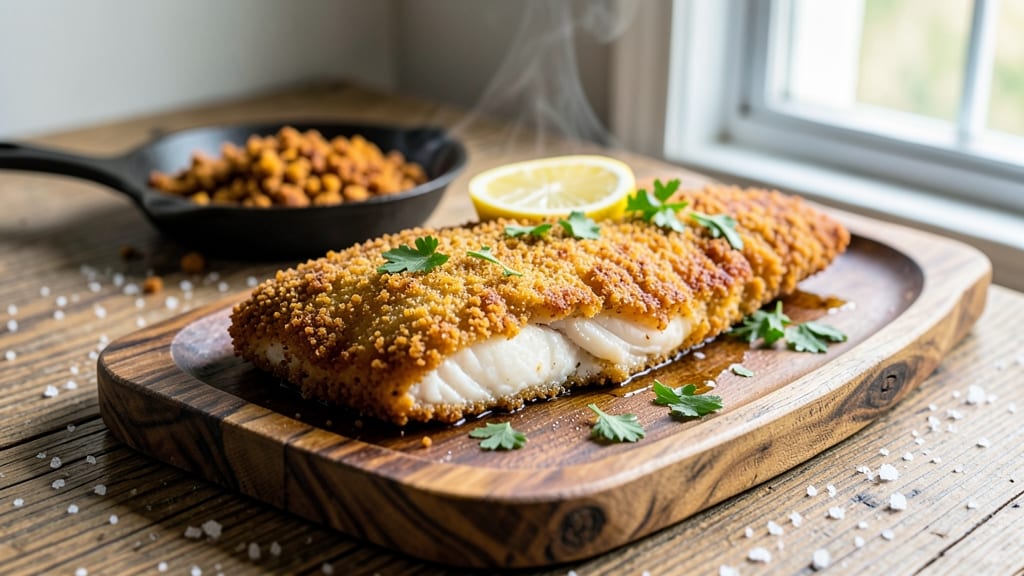
This Southern fried crappie recipe delivers the crispy, golden crust and tender flakes that define classic Southern seafood. The secret lies in a double-dredging technique using cornmeal batter—just like your grandma made—paired with a bright lemon-tangy dipping sauce that cuts through the richness.
I’ve perfected this method over years of lakeside cooking, ensuring every bite stays crispy and the oil stays hot enough to seal in that perfect texture.
The process starts with properly cleaning and drying the fish, then coating it in a light cornmeal batter that creates an irresistible crunch. Frying at 350–375°F for 3–5 minutes per side guarantees a golden exterior without overcooking the delicate fillets.
This isn’t just a recipe—it’s a foolproof technique that transforms simple crappie into a restaurant-worthy dish, ready to be served with lemon wedges and buttermilk biscuits.
What sets this apart is the attention to detail: maintaining oil temperature, double-dredging for extra crunch, and serving immediately while the crust is still crispy. The lemon-tangy sauce adds a zesty contrast that balances the richness, making every bite feel like a taste of the South.
Whether you’re cooking by the lake or hosting a family dinner, this recipe delivers the authentic Southern experience.
Pair it with classic sides like collard greens or hush puppies for the full spread. The key to success is patience—don’t rush the frying, and keep the oil hot. Once you try this, you’ll never go back to store-bought fried fish again. Let’s get cooking!
Ingredients for southern fried crappie
Fourteen ingredients deliver that perfect Southern fried crappie experience—crispy crust, tender fish, and zesty sauce.
| Ingredient | Amount | Notes |
|---|---|---|
| Fresh Crappie Fillets 🐟 | 1 ½ lb | Skin-on, bone-in, cut even thickness |
| All-Purpose Flour 🌾 | 1 cup | For first dredge |
| Fine Yellow Cornmeal 🌽 | 1 cup | For second dredge, stone-ground preferred |
| Large Eggs 🥚 | 2 whole | Beaten for egg wash |
| Dried Parsley 🌿 | 1 tbsp | Finely chopped, for garnish |
| Salt 🧂 | 1 ½ tbsp | Diamond Crystal preferred |
| Ground Black Pepper 🌶️ | ½ tsp | Freshly ground |
| Vegetable Oil 🫒 | 4 cups | For frying, peanut oil alternative |
| Fresh Lemon Juice 🍋 | ½ cup | For sauce, freshly squeezed |
| Mayonnaise 🥫 | ½ cup | For sauce, Duke's preferred |
| Hot Sauce 🌶️ | 1 tbsp | Crystal or Tabasco for tang |
| Butter 🧈 | 2 tbsp | Melted, unsalted |
| Lemon Zest 🍋 | 1 tsp | For sauce garnish |
| Paprika 🌶️ | ½ tsp | Smoked, for sauce color |
The fish is everything here. Look for fresh crappie at local seafood markets or well-stocked grocery stores—they should smell clean and fresh, not fishy. Whole Foods or H-E-B usually carry fillets, but if you're lucky enough to be near a lake, fresh-caught is ideal. The fillets should be even thickness (about 1/2-inch) for consistent cooking. If you can't find fresh, frozen crappie works too—just thaw overnight in the fridge. For the cornmeal, Bob's Red Mill stone-ground gives the best texture, but any fine yellow cornmeal will work. The secret to crispiness? Double-dredging—flour first, then cornmeal—and keeping the oil hot.
No cornmeal? Substitute crushed cornflakes or panko for the second dredge, though the texture won't be quite the same. Short on parsley? Dried works at half the amount, but fresh is fresher. For the sauce, Duke's mayonnaise is the gold standard, but any good-quality mayo will do. Want more heat? Add extra hot sauce or a pinch of cayenne. The butter in the sauce is non-negotiable—it adds richness that cuts through the crispy crust. If you're serving this for a crowd, double the sauce ingredients—it disappears fast. And trust me, the lemon zest at the end makes all the difference.
This recipe is all about timing. Fry the fish immediately after dredging—the batter loses crispiness fast. Keep the oil at 350–375°F using a candy thermometer; if it's too cool, the crust soaks up oil. The fish stays crispy for 5–10 minutes after frying, so serve it right away. For the sauce, make it fresh—it keeps for 3 days in the fridge, but the flavor is best the first day. Store leftover fish in an airtight container with paper towels to absorb excess oil, and eat within 2 days. The sauce can be reheated gently, but the fish? Best enjoyed fresh.
Why You'll Love This Recipe
- I swear by this: just pat the fillets dry, dredge in flour, dip in egg, then roll in that golden cornmeal—no fancy techniques, just hands-on simplicity. My kids can handle the coating while I keep the oil hot, and we’re laughing the whole time.
- No-Fuss Prep: I swear by this: just pat the fillets dry, dredge in flour, dip in egg, then roll in that golden cornmeal—no fancy techniques, just hands-on simplicity. My kids can handle the coating while I keep the oil hot, and we’re laughing the whole time.
- Crispy-Creamy Magic: That first bite? Crunchy crust gives way to tender fish, and the parsley adds this bright, herby finish that makes it feel fancy without the effort. Honestly, it’s the kind of flavor that makes you want to eat it straight from the pan.
- Tailgate or Tuesday: Serve it with lemon wedges and hushpuppies for a crowd, or wrap it in a biscuit for a solo lunch—it’s that adaptable. I’ve even reheated leftovers (yes, even fried fish!) in the air fryer for a quick lunch the next day.
Step-by-step instructions for Southern fried crappie
Master the perfect Southern fried crappie with a double-dredge crust and zesty lemon sauce.
Prepare the Double-Dredge Coating
In a shallow dish, combine the 1 cup all-purpose flour with 1.5 tablespoons salt and 0.5 teaspoon ground black pepper. Mix well to distribute the seasoning evenly. In another dish, place the 1 cup fine yellow cornmeal - this will create that signature crispy Southern crust. I like to use stone-ground cornmeal for the best texture.
In a third shallow dish, crack the 2 whole large eggs and whisk them vigorously until fully combined. This egg wash ensures the crust adheres perfectly to the fish. Keep all three stations ready - you'll work quickly through this process to maintain crispiness.
Fry the Crappie to Golden Perfection
Heat 4 cups vegetable oil in a deep fryer or heavy pot to 350°F. Use a deep-fry thermometer to monitor the temperature - this is critical for even cooking. While the oil heats, pat the 1.5 lb fresh crappie fillets completely dry with paper towels. Moisture causes oil splatter and prevents proper browning.
Working in batches to avoid crowding, dredge each fillet first in the flour mixture, letting excess fall off. Then dip in the egg wash, allowing any drips to fall back into the dish. Finally, press the fillet into the cornmeal, coating both sides completely. Fry for 3-4 minutes per side until the crust is deep golden brown and crispy. Transfer to a wire rack to drain excess oil.
Make the Lemon-Tangy Dipping Sauce
In a small saucepan, combine the 0.5 cup mayonnaise, 0.5 cup fresh lemon juice, 2 tablespoons melted butter, 1 tablespoon hot sauce, 1 teaspoon lemon zest, and 0.5 teaspoon paprika. Cook over low heat for 2-3 minutes, stirring constantly until just warmed through - don't let it simmer or the mayonnaise will break. The sauce should be smooth with a vibrant yellow color from the lemon and paprika.
Remove from heat and stir in the 1 tablespoon finely chopped dried parsley. Taste and adjust seasoning if needed - you want a perfect balance of tangy, creamy, and slightly spicy. The sauce should coat the back of a spoon but remain pourable. Keep warm until serving.
Serve Immediately with Fresh Garnish
Transfer the fried crappie to serving plates and immediately drizzle with the warm lemon sauce. The contrast of crispy crust with the cool, tangy sauce is what makes this dish special. Garnish with additional parsley if desired - this adds both color and freshness that complements the fried flavor.
Serve with lemon wedges on the side for those who prefer extra tang. The fish should be served immediately while still hot and crispy - the texture changes dramatically as it cools. For best results, prepare the sauce just before serving to maintain its creamy consistency.
Pro Tips For Making Southern Fried Crappie
- Dry Those Fillets: Pat the crappie fillets thoroughly with paper towels—don’t just wipe them. Wet skin = steam = soggy crust. I learned this the hard way when my first batch turned out more "fried mushy" than "crispy Southern gold."
- Mix Cornmeal Last: Toss the fillets in flour first, dip in egg, then lightly roll in cornmeal—just enough to coat, not dredge. Too much cornmeal makes the crust clump like a brick. My grandmother swore by this, and she was right: the flour locks in flavor, the cornmeal adds crunch.
- Keep Oil Hot, Not Smoking: Maintain oil at 350°F (175°C)—hot enough to sizzle but not so hot it smokes like a campfire. Smoking oil burns the crust before it crisps. Use a thermometer, or test with a breadstick: if it browns in 30 seconds, you’re golden.
- Rest Before Serving: Let the fried crappie sit on a wire rack for 5 minutes—yes, even if you’re starving. This keeps the crust from turning greasy. I skip this when I’m lazy, but the dish is noticeably better when I don’t. Trust me.
Troubleshooting this dish
Oil Temperature Troubles
If your fried crappie comes out greasy instead of crispy, your oil temperature is likely too low. Use a candy thermometer to maintain 350–375°F—any lower, and the crust absorbs oil instead of browning.
I’ve seen home cooks guess the temp by dropping breadcrumbs in, but that’s unreliable. For extra insurance, heat the oil for 30 minutes before frying to stabilize the temperature. 🌡️
Batter Not Sticking
Moisture is the enemy of crispy crusts. Pat your fillets thoroughly dry with paper towels before dredging—even a damp spot will prevent the batter from adhering. Another trick? Chill the fish for 15 minutes before coating.
Cold fish holds its shape better and soaks up less oil during frying. If the batter still won’t stick, add 1 tablespoon cornstarch to the flour mixture for extra grip.
Fish Overcooking
Crappie cooks fast—3–4 minutes per side is the sweet spot. Overcooking turns the fillets rubbery. Use a timer and watch for the crust to turn golden brown, not dark brown.
If your fish is done before the crust sets, reduce the oil temp to 340°F and fry 1 minute longer per side. A meat thermometer isn’t necessary for fillets this thin, but if you’re unsure, aim for an internal temp of 145°F.
Sauce Breaking
The mayonnaise in your dipping sauce can curdle if heated too quickly. Warm it over low heat for just 2–3 minutes, stirring constantly. If it starts to separate, whisk in 1 teaspoon cold water or 1 tablespoon lemon juice to re-emulsify.
For extra insurance, mix the mayo with the lemon juice first, then add the other ingredients. The sauce should be silky, not grainy—if it’s too thick, thin with 1–2 teaspoons water.
Uneven Cooking
Thick and thin spots on your fillets mean uneven cooking. Trim any uneven edges before dredging, and cut fillets to even thickness (about ½-inch). Fry thicker pieces first, then thinner ones.
Crowding the fryer also causes temp drops—keep batches small (2 fillets max) and work quickly. A slotted spoon helps transfer fish without splashing oil everywhere.
Nutrition facts
Frequently asked questions
Can I use frozen crappie for this recipe?
Yes, but thaw it properly first! Place frozen fillets in a sealed bag and refrigerate overnight. Never thaw at room temperature—it causes uneven cooking. Pat completely dry before dredging, as any moisture will prevent the cornmeal crust from sticking. For best results, use fresh crappie if available, as frozen fillets can lose some of their delicate texture.
What's the best oil for frying crappie?
Vegetable or peanut oil are ideal—they maintain high heat without burning. Avoid olive oil (it smokes at 350°F) or butter (it burns quickly). For extra flavor, some cooks use a 50/50 blend of peanut and vegetable oil. Just keep the oil clean by straining it after each use and storing it in an airtight container for your next fry.
How do I keep the crust extra crispy?
Double-dredging is key: flour → egg wash → cornmeal, with each step fully coating the fillet. Fry at 350–375°F and work in small batches to avoid dropping oil temperature. Serve immediately on a wire rack (not paper towels) to prevent sogginess. For reheating, bake at 400°F for 3–4 minutes—but texture won't match fresh!
What sides pair best with fried crappie?
Classic Southern sides elevate this dish: buttermilk biscuits, creamy coleslaw, or steamed collard greens. For a lakehouse feel, add hush puppies or roasted corn. The lemon-tangy sauce balances rich sides, so serve it alongside. Pro tip: A simple green salad with a vinegar-based dressing cuts through the fried richness perfectly.
Why did my fish turn out greasy instead of crispy?
Most likely, your oil was too cool or the fish wasn't dry enough. Use a candy thermometer to maintain 350–375°F—lower temps make the crust absorb oil. Pat fillets completely dry with paper towels before dredging, and chill them for 15 minutes before cooking. If the batter won't stick, add 1 tablespoon cornstarch to the flour mixture for better adhesion.