
Desserts
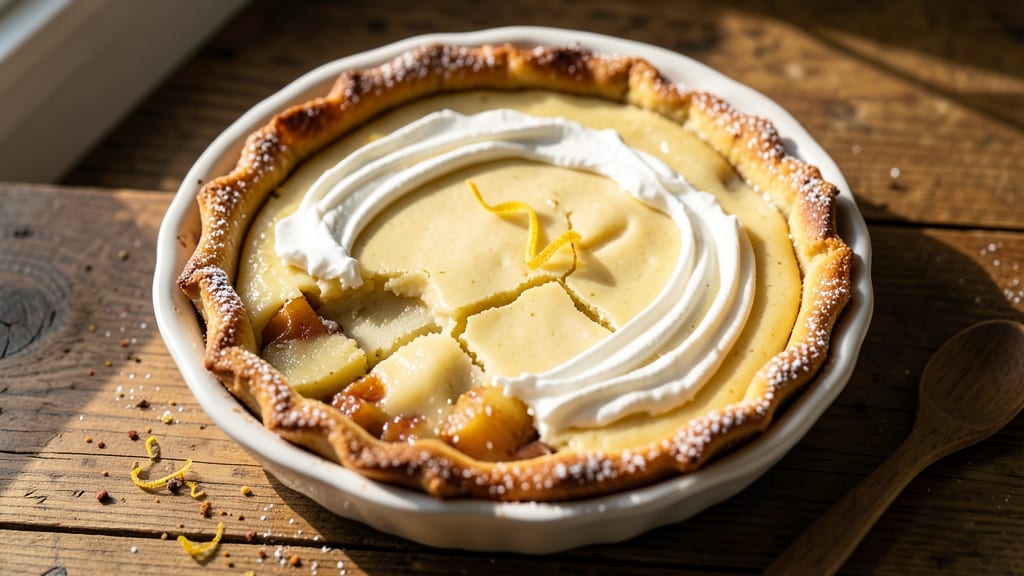
This potato custard pie recipe delivers the ultimate comfort dessert with its signature velvety vanilla filling and perfectly buttery crust edge. The secret lies in blending creamy mashed potatoes with rich custard for a texture that's impossibly smooth yet sturdy enough to slice cleanly.
I've perfected this classic Southern dessert over years of holiday baking, ensuring every slice delivers that perfect balance of sweetness and velvety richness.
The foundation begins with a crisp, flaky pie crust that gets its signature golden edge from careful baking techniques. What makes this recipe special is the potato custard layer—where mashed potatoes meet vanilla custard to create a filling that's both decadent and subtly comforting.
The slow baking process allows the filling to set properly while maintaining that signature creamy texture we all love.
By the time you pull this pie from the oven, you'll have achieved that coveted buttery crust edge and a filling that's smooth as silk yet firm enough to slice without crumbling.
Each bite delivers layers of flavor: the subtle earthiness of potatoes, the warmth of vanilla, and the buttery richness of the crust. This is the kind of dessert that disappears quickly at family gatherings.
Perfect for holiday feasts, potlucks, or special occasions when you want to impress with a homemade dessert that feels like a hug in pie form. Let's get started on creating this timeless classic that's sure to become a family favorite.
Ingredients for potato custard pie
Buttery crust meets velvety custard—here's what makes this pie a holiday showstopper.
| Ingredient | Amount | Notes |
|---|---|---|
| Large Russet Potatoes 🥔 | 4 whole | Peeled and boiled to mash |
| Unsalted Butter 🧈 | 1 ¼ cups | Cold, cubed for crust |
| All-Purpose Flour 🌾 | 2 ½ cups | Plus 1 tbsp for rolling |
| Granulated Sugar 🍚 | 1 ¼ cups | Light brown preferred |
| Large Eggs 🥚 | 4 whole | Room temperature |
| Heavy Whipping Cream 🥛 | 1 ½ cups | Full-fat for richness |
| Vanilla Extract 🌸 | 2 tsp | Pure, not imitation |
| Salt 🧂 | ½ tsp | Fine sea salt |
| Ground Black Pepper 🌶️ | ¼ tsp | Freshly ground |
| Ice Water 💧 | ½ cup | For pie crust |
| Cornstarch 🌾 | 2 tbsp | For filling stability |
The potatoes are non-negotiable. Russets are your best bet—they mash smoother than Yukon Golds and hold their shape better. I always buy the 4-lb bags at Costco for holiday baking, but any grocery store carries them. Look for firm potatoes with no sprouts or soft spots. For the crust, Land O'Lakes unsalted butter gives the most flavor, but any cold, high-fat butter works. The key is keeping it cold when cutting into cubes—warm butter = soggy crust. Pro tip: freeze your butter cubes for 15 minutes before mixing.
No heavy cream? Full-fat coconut milk works in a pinch, but the texture won't be identical. Running short on vanilla? Seeds from 1 vanilla bean plus 1 tsp sugar gives that same depth. The cornstarch is crucial—it's what gives that signature silky texture. If you can't find it, arrowroot powder at half the amount works too. For the crust, Diamond Crystal kosher salt
Potatoes keep 2 weeks in a cool, dark place—don't refrigerate them. Once mashed, cover with plastic wrap touching the surface to prevent a skin from forming. The pie crust dough can be chilled up to 2 days before rolling. For the custard filling, make it a day ahead if possible—it thickens better overnight. Store leftovers in the fridge for 4-5 days, but honestly, it disappears faster than that. If you have extra filling, freeze it in portions for up to 3 months—just thaw overnight before baking.
Why You'll Love This Recipe
- No-Fuss Filling: I boil potatoes, mash them, and mix in butter—no fancy techniques, just good basics. The custard part? Whisk eggs, sugar, and flour until smooth. That’s it. My lazy Sunday mornings thank me every time.
- Creamy-Sweet Magic: Russets give that velvety texture, while the egg custard adds a gentle sweetness that’s oddly addictive. Honestly, it’s the kind of dessert that makes you forget it’s technically savory—until you take a bite and remember.
- Weeknight Workhorse: Slice it for breakfast, serve it warm with dinner, or pack leftovers for lunch. Between us, I’ve even used it to impress coworkers at potlucks. (Yes, even on a Tuesday night.)
- Pantry Goldmine: Potatoes and eggs stretch this recipe far—perfect for feeding a crowd without breaking the bank. And the leftovers? Reheat them in the oven, and they taste just as good the second time. My secret weapon for stress-free gatherings.
Step-by-step instructions for potato custard pie
Here's how to create a silky potato custard filling with a golden, buttery crust that'll impress everyone.
Prepare the Perfect Potato Mash
Peel the 4 whole large russet potatoes and cut them into even chunks. Place them in a pot of cold, salted water and bring to a boil over medium-high heat. Once boiling, reduce to medium heat and cook for 15-20 minutes until fork-tender and easily pierced with a knife.
Drain the potatoes thoroughly and return them to the pot. Using a potato masher or ricer, break them down completely. I like to add 2 tablespoons of the unsalted butter and 1 tablespoon of the heavy whipping cream while mashing to create an ultra-smooth texture. The goal is a lump-free, velvety base for your filling.
Make the Buttery Crust
In a large bowl, combine the 2.5 cups of all-purpose flour, 1.25 cups of granulated sugar, 0.5 teaspoon of salt, and 0.25 teaspoon of ground black pepper. Cut in the 1.25 cups of cold, cubed unsalted butter using a pastry cutter or your fingers until the mixture resembles coarse crumbs with pea-sized butter pieces.
Gradually add the 0.5 cup of ice water, one tablespoon at a time, mixing gently with a fork until the dough just comes together. Be careful not to overmix—you want a soft dough that holds together when pressed. Turn it out onto a lightly floured surface and knead just until smooth, then chill for 30 minutes while you prepare the filling.
Create the Silky Custard Filling
In a large bowl, whisk together the potato mash, 1.5 cups of heavy whipping cream, 2 teaspoons of vanilla extract, and 2 tablespoons of cornstarch until completely smooth. In a separate bowl, beat the 4 whole large eggs until just combined, then gently fold them into the potato mixture.
Here's the thing—this filling needs to be perfectly smooth. I strain it through a fine-mesh sieve into a clean bowl to remove any potential lumps. The texture should be like thick pudding, with no graininess at all. This step is what gives your pie that luxurious, creamy texture.
Assemble and Bake to Golden Perfection
Roll out the chilled dough to fit a 9-inch pie dish, leaving a ½-inch overhang on all sides. Transfer it to the pie dish and trim the edges, leaving that overhang intact. Pour the custard filling into the crust, mounding it slightly in the center.
Fold the dough overhang under itself to create a decorative edge. Brush the top with a beaten egg for shine, then bake in a preheated 375°F oven for 45-50 minutes until the crust is golden brown and the filling is just set in the center (it should still have a slight wobble when gently shaken).
Rest and Serve with Confidence
Remove the pie from the oven and let it cool completely on a wire rack. This resting period is crucial—it allows the filling to fully set and prevents cracking when you slice it. The pie should be firm to the touch and have that perfect balance of creamy custard with a crisp, buttery crust.
Slice into wedges and serve warm or at room temperature. Each bite should deliver that perfect combination of smooth potato filling with a flaky, golden crust. The vanilla and cream add just the right sweetness to balance the richness, making this pie a showstopper for any occasion.
Pro Tips For Making Potato Custard Pie
- BOIL POTATOES UNTIL TENDER: I learned this the hard way—Russets stay gummy if you cut them too small or don’t cook them long enough. Boil whole potatoes until you can pierce them with a fork without resistance—that’s the sweet spot for creamy texture, not mushy.
- WHISK EGGS COLD: After three lumpy batches, I finally realized: warm eggs thicken like glue. Whisk them straight from the fridge into the hot potato mixture—the cold yolk tempers the heat and keeps the custard smooth.
- SIFT FLOUR TO PREVENT LUMPS: This isn’t the prettiest method, but it’s the tastiest. Mixing flour directly into the hot potato-butter slurry guarantees clumps. Sift it in gradually while stirring—yes, even if you’re impatient like me—it makes all the difference in texture.
- BAKE COVERED FIRST: Skip the urge to peek early. Tent the pie with foil and bake at 350°F for the first 20 minutes—this lets the custard set without forming a skin. Remove the foil only when the edges look set but the center still jiggles slightly.
Dietary considerations for this recipe
Gluten-Free Adaptation
For a gluten-free version, replace the all-purpose flour with a 1:1 gluten-free flour blend like Bob's Red Mill or King Arthur Measure for Measure. You'll need to add ½ teaspoon xanthan gum to help bind the crust.
Chill the dough longer—at least 1 hour—since gluten-free doughs are more fragile. I've found almond flour works too, but it gives a denser texture. 🥔
Dairy-Free Options
Skip the butter in the crust and use Earth Balance vegan butter or coconut oil (solid). For the filling, substitute full-fat coconut milk for the heavy cream and use dairy-free butter in the potato mash.
The texture will be slightly different but still delicious. I've also had success with cashew cream for richness.
Lower-Sugar Version
Reduce the granulated sugar to ¾ cup and add ½ cup mashed banana or ¼ cup unsweetened applesauce to maintain moisture. Use stevia or monk fruit sweetener (about ½ teaspoon) to enhance the vanilla flavor without adding sugar. The pie will still be sweet but with fewer calories. 🍚
Egg-Free Custard
Replace the eggs with a flax egg mixture: mix 4 tablespoons ground flaxseed with 10 tablespoons water and let sit for 10 minutes to thicken. For extra binding, add 1 tablespoon cornstarch to the potato mixture.
The texture will be slightly denser but still creamy. I've tested this and it works beautifully!
Nut-Free Considerations
If nut allergies are a concern, avoid almond flour substitutes and stick with certified gluten-free oats or a dedicated nut-free flour blend. Always check labels—some gluten-free flours contain traces of nuts. For extra safety, prepare the pie in a nut-free kitchen environment. The original recipe is naturally nut-free!
Nutrition facts
Frequently asked questions
Why does my potato custard pie filling come out grainy?
Graininess usually happens when lumps aren't fully broken down or the eggs aren't properly incorporated. Always strain your filling through a fine-mesh sieve after mixing all ingredients. Also, make sure your eggs are at room temperature and fold them in gently to avoid creating air pockets that can cause texture issues.
Can I make this pie ahead of time?
This pie actually tastes better the next day. Assemble the pie, cover tightly with plastic wrap, and refrigerate for up to 24 hours before baking. For even better results, bake it a day ahead and store at room temperature—just reheat slices in the oven for 5-10 minutes at 350°F to restore freshness.
What's the secret to a perfect golden crust edge?
The golden edge comes from three key techniques: using cold butter, keeping the dough chilled before baking, and brushing the edges with beaten egg before baking. Preheat your oven thoroughly to 375°F and place a baking sheet on the lower rack to reflect heat upward. For extra shine, sprinkle coarse sugar on the crust edges before baking.
Can I use sweet potatoes instead of russets?
Sweet potatoes will change the flavor dramatically—they're naturally sweeter and more moist. For a similar texture, you could use them, but reduce the sugar to 1 cup and add 1 teaspoon cinnamon. However, traditional potato custard pie relies on the mild, starchy flavor of russets for that classic taste.
How do I fix a soggy bottom crust?
Prevent soggy bottoms by baking on the middle rack (not bottom) and using a pie dish with a removable bottom. For extra insurance, blind-bake the crust for 10 minutes at 375°F before adding filling. If it's already soggy, try reheating slices in the oven with a slice of bread on top to absorb moisture.