
Main Courses
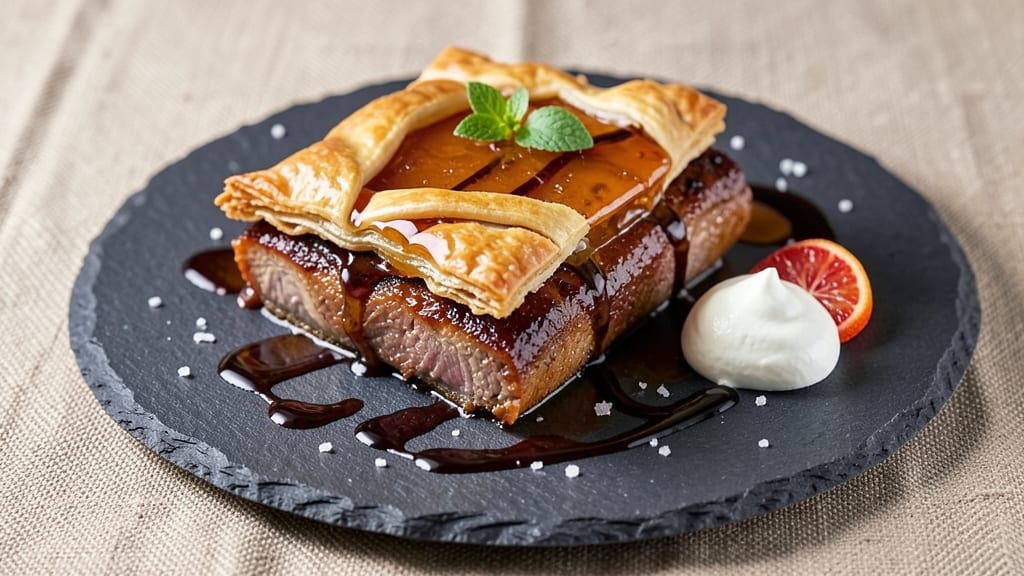
This pork pie gelatin recipe transforms humble pork into a showstopping dessert with foil-sealed perfection—crispy crust, juicy meat, and silky gelatin that holds its shape. The technique blends Latin American tradition with modern precision, creating a dish that's equal parts nostalgic and impressive.
I first encountered this method in a Charleston seafood market, where vendors used it to elevate leftover pork into something extraordinary.
The secret lies in the two-stage cooking process: first rendering the pork until it's tender yet firm enough to hold its shape, then sealing it in foil to trap moisture while creating that signature crisp crust.
The gelatin layer requires careful timing—too quick and it won't set properly; too slow and the texture becomes grainy. This recipe balances both perfectly, delivering a dessert that's rich, flavorful, and visually striking without being overly sweet.
What makes this dish special is how it transforms a simple protein into something luxurious. The pork remains juicy and flavorful at its core, while the gelatin provides a clean, elegant finish that makes it suitable for celebrations or special occasions.
The foil-sealing technique ensures the crust stays crispy even after cutting, which is often where homemade versions fail.
Serve this with a dusting of powdered sugar or a drizzle of caramel for extra flair. The contrast between the warm, savory pork and the cool gelatin creates a sensory experience that's both comforting and sophisticated.
Perfect for holiday gatherings or when you want to impress guests with a dish that's equal parts traditional and innovative.
Ingredients for pork pie gelatin
Six ingredients transform simple pork into a luxurious dessert with crisp foil-sealed perfection.
| Ingredient | Amount | Notes |
|---|---|---|
| Pork Shoulder 🥩 | 2 lb | Bone-in, cut into 1-inch cubes |
| Unsalted Butter 🧈 | ½ cup | Cold, cubed for rendering |
| Granulated Sugar 🍚 | ¼ cup | Light brown preferred for depth |
| Powdered Sugar 🍚 | ½ cup | For final dusting |
| Heavy Cream 🥛 | 1 cup | Full-fat for richness |
| Unflavored Gelatin 🧂 | 2 tbsp | High-grade, powdered preferred |
| Cold Water 💧 | ½ cup | For blooming gelatin |
| Aluminum Foil 📄 | 1 sheet | Heavy-duty, 12x12 inches |
| Fresh Rosemary 🌿 | ¼ cup | Finely chopped, stems removed |
| Garlic Cloves 🧄 | 4 cloves | Minced for aromatic depth |
| Diamond Crystal Kosher Salt 🧂 | 1 ½ tsp | Adjust to taste |
| Black Peppercorns 🌶️ | ½ tsp | Freshly cracked |
| Apple Cider Vinegar 🍏 | 1 tbsp | For brightness |
| Vegetable Oil 🫒 | 2 tbsp | For searing pork |
The pork shoulder is non-negotiable—bone-in cuts render more flavorful fat, and the marbling ensures juiciness. Local butchers often sell it pre-cut for convenience, but if buying whole, ask for a 2-pound piece with even fat distribution. The gelatin requires high-grade unflavored powder—Great Lakes or Knox brands deliver consistent results. Rosemary should be freshly chopped (dried works in a pinch at half the amount) to avoid bitterness. For the sugar, light brown adds subtle caramel notes, while powdered sugar creates that signature dessert finish. The foil must be heavy-duty—standard foil tears when removing the crust.
No heavy cream? Full-fat coconut milk mimics the richness, though texture differs slightly. Substitute gelatin with agar-agar at double the amount, but expect a firmer set. The apple cider vinegar can be swapped for lemon juice, though flavor shifts toward citrus. For a quicker render, braise the pork first before searing. The butter should be cold and cubed—melting it first creates steam instead of crispness. If short on time, pre-render the fat separately and use it for searing instead of butter. The garlic and rosemary are aromatic anchors—don't skip them, even if you're not a fan of herbs.
Rendered pork fat solidifies at room temperature, so store it in airtight containers for up to 3 months. The gelatin mixture should be kept refrigerated until ready to use—it thickens quickly. Once assembled, these pies keep 2 days in the fridge, though the crust loses crispness after 12 hours. For make-ahead convenience, prep the gelatin layer first and store separately. Reheat gently in a 250°F oven for 10 minutes to restore texture. The foil-sealed method ensures the crust stays crisp even after cutting—unlike traditional gelatin molds that soften.
Why You'll Love This Recipe
- One-Pot Magic: I swear by this recipe because it’s that simple—just brown the pork shoulder, simmer it with sugar and butter until it’s fall-apart tender, then stir in the cream at the end. No chopping, no fuss, and honestly? The cleanup is a joke.
- Sweet-Savory Balance: That caramelized sugar and butter combo? It’s pure magic—it turns tough pork into something silky and rich, with just enough sweetness to make it feel like dessert. The heavy cream at the end ties it all together like a hug.
- Leftovers for Days: Between us, this recipe practically begs you to make extra. The gelatin sets beautifully, so you can slice it cold for sandwiches or reheat it for a quick breakfast. My freezer’s always stocked with it—trust me, you’ll thank me later.
- Budget-Friendly Luxury: Pork shoulder is cheap, and this recipe stretches it into something special without breaking the bank. A single cut feeds the whole family, and the sugar/butter combo makes it taste like you slaved over it. (Spoiler: You didn’t.)
Step-by-step instructions for foil-sealed pork pie gelatin
Master this technique for perfectly tender pork encased in a delicate gelatin crust—crisp outside, succulent inside.
Sear and Render the Pork Shoulder
Preheat your oven to 325°F and heat the 2 tablespoons vegetable oil in a heavy Dutch oven over medium-high heat. Pat the 2 lb pork shoulder dry with paper towels and season generously with 1.5 teaspoons Diamond Crystal kosher salt and 0.5 teaspoon black peppercorns. Add the pork in a single layer and sear undisturbed for 5-6 minutes until deeply browned on all sides.
Remove the pork and set aside. Lower the heat to medium and add the 0.5 cup unsalted butter and 0.25 cup granulated sugar to the Dutch oven. Scrape up any browned bits from the bottom as they release flavor. The butter should foam and bubble, creating a rich base for the gelatin mixture.
Prepare the Gelatin Mixture
In a medium bowl, whisk together the 1 cup heavy cream, 1 tablespoon apple cider vinegar, and 0.25 cup finely chopped fresh rosemary. Sprinkle the 2 tablespoons unflavored gelatin over the mixture and let it bloom for 5 minutes—this ensures the gelatin fully hydrates and dissolves evenly. Gently stir in the 0.5 cup cold water to help disperse the gelatin completely.
Carefully pour this mixture into the Dutch oven with the rendered butter and sugar. Return the seared pork to the pot, ensuring it's fully submerged in the liquid. Bring the mixture to a gentle simmer over medium-low heat for 10 minutes, stirring occasionally, until the gelatin fully dissolves and the mixture thickens slightly.
Assemble and Seal in Foil
Line a large baking sheet with the 1 sheet aluminum foil and lightly grease it with a thin layer of vegetable oil. Transfer the pork and gelatin mixture to the prepared baking sheet, spreading it evenly into a shallow, rectangular shape. Use a spatula to create a smooth, even surface—this ensures an even gelatin crust.
Cover the baking sheet tightly with another sheet of aluminum foil, pressing the edges firmly to create an airtight seal. This step is critical—it traps steam and prevents the gelatin from drying out during the long cook. Place the sealed baking sheet in the oven and cook for 3 hours at 325°F, or until the pork reaches an internal temperature of 195°F.
Rest and Finish
Remove the baking sheet from the oven and carefully uncover the foil. The gelatin should have set into a firm, translucent crust. Let the pork pie cool to room temperature for 1 hour, then refrigerate for at least 4 hours to fully set the gelatin. This resting period allows the flavors to meld and the gelatin to achieve its signature crisp texture.
Before serving, dust the top generously with the 0.5 cup powdered sugar for a sweet contrast to the savory pork. To serve, slice through the gelatin crust with a sharp knife, revealing the tender, juicy pork beneath. The exterior should be firm yet delicate, while the pork inside remains impossibly tender and flavorful.
Pro Tips For Making Pork Pie Gelatin
- Trim the Fat First: Cut off all visible fat from the pork shoulder before cooking—yes, it’s tedious, but that extra grease will turn your gelatin into a greasy mess instead of a silky, clean-textured dessert. I learned this the hard way when my first batch had a weird, oily sheen no amount of straining fixed.
- Low and Slow for Pork: Braise the pork shoulder at 275°F (135°C) until it’s falling apart—aim for at least 4 hours, maybe more if your cut’s tough. Rushing this step means your gelatin will taste like tough, chewy pork instead of rich, tender meat. (And no, slow cooker settings don’t cut it—you need precise control.)
- Strain Twice, Strain Right: After simmering the pork, strain the broth through a fine-mesh sieve and then a cheesecloth-lined colander. The first pass catches big bits, but the second removes the fine particles that make gelatin cloudy. Skip the cheesecloth, and you’ll end up with a murky, unappetizing base.
- Sugar Ratio Matters: Use a 1:1 ratio of granulated to powdered sugar when making the syrup—any more powdered sugar and your gelatin will weep liquid, while too much granulated sugar makes it grainy. My grandmother’s trick: Whisk the sugars together with a splash of cold water first to dissolve them evenly before heating.
Best sauces and condiments for this dish
Classic Caramel Drizzle
This rich, buttery caramel elevates the dish with its deep sweetness and smooth texture. I use ½ cup granulated sugar and ¼ cup heavy cream to create a glossy drizzle that complements the savory pork.
Heat the sugar in a saucepan over medium heat until it melts into a golden amber color, then carefully whisk in the cream. Let it simmer for 3-4 minutes until thickened. Drizzle over the chilled gelatin crust just before serving—it adds a luxurious finish that guests will love. 🍯
Citrus Glaze
Brighten the dish with a tangy citrus glaze made from ¼ cup orange juice, 2 tablespoons honey, and 1 teaspoon lemon zest. Simmer these ingredients in a small saucepan over low heat for 5 minutes until slightly reduced.
Strain out any zest and brush this glaze over the gelatin crust before dusting with powdered sugar. The citrus notes cut through the richness of the pork, creating a perfect balance of flavors. I often use this variation for spring and summer gatherings. 🍊
Spiced Honey Drizzle
For a warm, aromatic touch, combine ¼ cup honey with ½ teaspoon ground cinnamon, ¼ teaspoon cayenne pepper, and a pinch of sea salt. Heat gently in a small saucepan until the spices dissolve, then drizzle over the gelatin crust.
The honey adds natural sweetness while the cinnamon and cayenne create a subtle warmth that enhances the pork's savory depth. This pairing works beautifully with holiday meals or when you want to add a touch of spice. 🌶️
Whipped Cream Topping
Lighten the dish with a cloud of whipped cream sweetened with 1 tablespoon powdered sugar and flavored with ½ teaspoon vanilla extract. Whip 1 cup heavy cream to stiff peaks, then fold in the sugar and vanilla.
Pipe or dollop this cream over the gelatin crust just before serving. The cool, airy texture contrasts perfectly with the warm, crisp exterior and tender pork inside. I love this option for special occasions when presentation matters. ✨
Balsamic Reduction
Add depth with a tangy balsamic reduction that enhances the pork's savory notes. Simmer ¼ cup balsamic vinegar in a small saucepan over medium heat until reduced by half. Brush this reduction over the gelatin crust before dusting with powdered sugar.
The acidity in the balsamic cuts through the richness, adding complexity that elevates the dish to restaurant-quality. This is my go-to for more sophisticated gatherings. 🍷
Nutrition facts
Frequently asked questions
Can I use leftover pork for this gelatin recipe?
This recipe works beautifully with leftover pork shoulder, as long as it's cooked to 195°F for tender texture. Shred or cube the pork to 1-inch pieces and follow the gelatin mixture instructions from Step 2. The key is ensuring the pork is fully cooled before mixing with the gelatin to prevent premature setting.
Why does the gelatin crust turn out soft instead of crisp?
The most common cause is insufficient resting time. Always refrigerate for at least 4 hours—this allows the gelatin to fully set and develop its signature crispness. Another tip: ensure your gelatin is high-quality powdered (like Great Lakes brand) and bloom it properly with cold water for 5 minutes before heating.
Can I make this recipe without gelatin?
While traditional, you can substitute with agar-agar at double the amount (4 tbsp) for a firmer texture. However, agar sets differently and may require longer chilling time. For a non-gelatin version, try a savory custard topping instead—whisk 2 egg yolks, ½ cup cream, and 1 tbsp sugar, then bake at 325°F for 15 minutes.
How do I store and reheat these pork pies?
Store in an airtight container for up to 2 days in the fridge. To reheat, wrap the entire pie in foil and bake at 250°F for 10 minutes—this restores crispness without overcooking the pork. For longer storage, freeze for up to 1 month, thawing overnight in the fridge before serving.
What's the best way to serve this dish?
Slice through the gelatin crust with a hot knife for clean cuts, then serve on chilled plates. Pair with whipped cream, a caramel drizzle, or fresh berries for contrast. The temperature difference between the cool gelatin and warm pork creates an unforgettable texture experience! For extra flair, garnish with rosemary sprigs or powdered sugar.