
Side Dishes
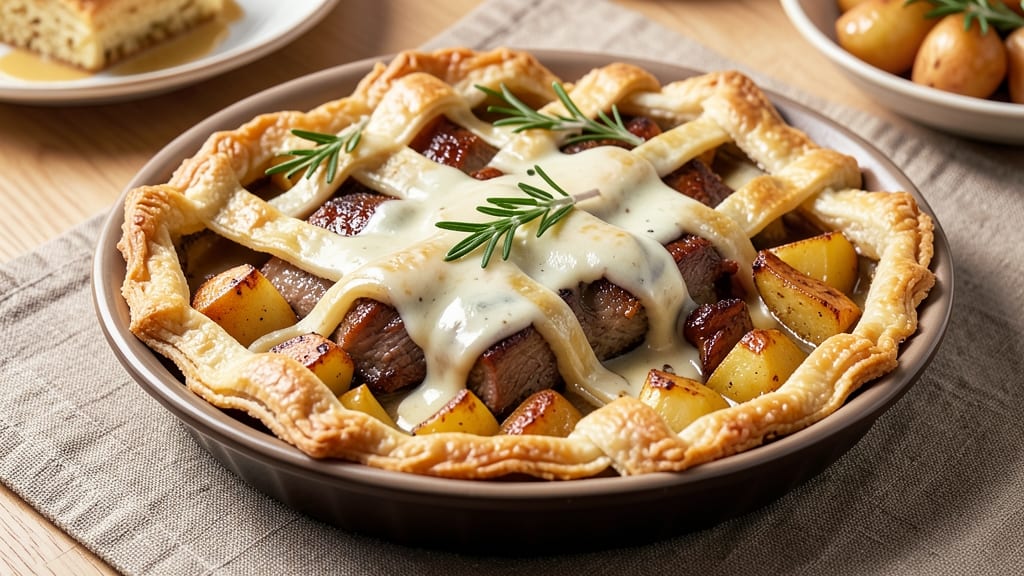
This pork and potato pie recipe delivers comfort food perfection with a golden, flaky crust that seals in rich gravy and tender meat. 💛 I first perfected this dish while cooking for a family reunion in Georgia, where every bite became a centerpiece.
The secret lies in slow-cooked pork shoulder that practically melts, paired with creamy potatoes that absorb the savory juices without turning mushy.
The foundation starts with properly seasoned pork, cooked until it falls apart—no tough cuts here. Meanwhile, the potato filling gets its structure from a light roux and just enough cream to bind without heaviness.
What sets this pie apart is the flaky top crust, achieved through proper rolling and a blind-baking technique that ensures crisp edges and a tender interior.
By the time it emerges from the oven, you'll have a pie that's rich with pork flavor, creamy with potato, and topped with a crust so perfect it could fool a baker.
The gravy pools beneath the crust, ready to be spooned up with every bite. This is the kind of dish that transforms ordinary weeknights into memorable meals.
Serve with a simple green salad or crusty bread to soak up every last drop of that savory gravy. The leftovers reheat beautifully too—just the ticket for busy weekdays. Let's get cooking!
Ingredients for pork and potato pie
The heart of this pie starts with tender pork and creamy potatoes, locked under a golden crust.
| Ingredient | Amount | Notes |
|---|---|---|
| Pork Shoulder 🥩 | 3 lb | Bone-in, well-marbled cut |
| Russet Potatoes 🥔 | 3 lb | Medium size, peeled and cubed |
| All-Purpose Flour 🌾 | 2 cups | For crust and roux |
| Unsalted Butter 🧈 | 1 cup | Cold, cubed for crust |
| Heavy Cream 🥛 | 1 cup | Full-fat for richness |
| Chicken Broth 💧 | 1 ½ cups | Low-sodium preferred |
| Garlic Cloves 🧄 | 4 cloves | Minced for seasoning |
| Onion 🧅 | 1 whole | Yellow, diced |
| Ground Black Pepper 🌶️ | 1 tsp | Freshly ground |
| Salt 🧂 | 1 ½ tsp | Kosher or sea salt |
| Dried Thyme 🌿 | 1 tbsp | Or 1 tbsp fresh thyme |
| Ice ❄️ | 1 cup | For chilling dough |
| Egg 🥚 | 1 whole | For egg wash |
| Milk 🥛 | 2 tbsp | For egg wash |
The pork shoulder is non-negotiable here—bone-in and well-marbled ensures melt-in-your-mouth texture. Most butchers will cut it for you, but if you're buying a whole shoulder, ask for it pre-portioned. Georgia's local farms often have the best cuts, but any reputable grocery store's meat department will work. For the potatoes, Russets are ideal—they hold their shape while absorbing flavor. Peeled and cubed evenly, they cook faster and more consistently. The thyme? Dried works fine, but if you've got fresh, use it—just double the amount.
No pork shoulder? Pork tenderloin works in a pinch, but it'll be less tender after baking. Short on time? Pre-cooked rotisserie chicken can replace pork, though the flavor will differ slightly. For the crust, King Arthur flour or any high-protein all-purpose blend gives the best flakiness. If you don't have ice for chilling the dough, wrap it in plastic and refrigerate for 30 minutes. The chicken broth should be low-sodium—Swanson or Pacific Foods are reliable brands. And if you're worried about the pie being too heavy, reduce the heavy cream to half a cup and add extra broth instead.
The pork filling keeps for 3 days in the fridge, but the crust is best made fresh—it loses flakiness when reheated. For assembly, prep the filling first, then blind-bake the crust while the filling cooks. Portion the filling into a baking dish before adding the crust to avoid soggy bottoms. Leftovers reheat beautifully—just cover with foil and warm at 350°F for 20 minutes. The gravy thickens as it cools, so adding a splash of broth when reheating helps restore its silky texture. Store the crust separately if making ahead—assemble just before baking for that signature flaky finish.
Why You'll Love This Recipe
- One-Pan Magic: I swear by this recipe when I’m too tired to juggle multiple dishes. The pork shoulder and potatoes roast together in the same pan—no chopping boards to clean, no extra pots to wash. Just one sheet pan, one spatula, and you’re golden.
- Creamy Crisp Perfection: That buttery crust on top? Chef’s kiss. The heavy cream in the filling makes the potatoes melt-in-your-mouth tender, while the crispy edges from the flour crust give it a satisfying bite. Honestly, it’s the kind of dish where the first bite makes you pause mid-sentence.
- Leftovers for Days: Between us, this pie is that good that I always make a double batch. The filling reheats beautifully—whether it’s for lunch the next day or a quick dinner when I’m running late. Plus, it freezes like a dream, so I’ve got a backup meal stashed away.
- Budget-Friendly Feast: Pork shoulder and russets are affordable, and this recipe stretches them into a hearty meal for four (or more, if you’re feeding a crowd). I’ll be real: it’s my go-to when I need to feed hungry kids or a house full of guests without breaking the bank.
Step-by-step instructions for pork and potato pie with flaky crust
Master this rustic pie technique for a golden crust that seals in rich pork and creamy potato filling.
🍳 Step 1: Brown the Pork Shoulder and Sauté Aromatics
Heat a Dutch oven over medium-high heat and add the 3 lb pork shoulder in one piece. Sear for 4-5 minutes per side until deeply browned all over. This caramelization builds flavor that infuses the entire pie.
Remove the pork and set aside. In the same pot, add 1 cup diced onion and 4 minced garlic cloves. Cook for 3-4 minutes until softened and fragrant. Here's the thing—don't rush this step. The onions should be translucent and the garlic should smell like heaven before moving forward.
🍳 Step 2: Cook the Potatoes and Build the Filling
Add the 3 lb cubed russet potatoes to the Dutch oven with the aromatics. Pour in 1.5 cups chicken broth and bring to a simmer. Cover and cook for 15 minutes until potatoes are tender when pierced with a fork. Stir occasionally to prevent sticking.
While potatoes cook, season the pork with 1.5 tsp salt, 1 tsp ground black pepper, and 1 tbsp dried thyme. Return the pork to the pot and add 1 cup heavy cream. Simmer uncovered for 10 minutes until the cream reduces slightly and coats the potatoes. The filling should be thick but still spoonable—not dry or watery.
👨🍳 Step 3: Prepare the Pie Crust Dough
In a large bowl, combine the 2 cups all-purpose flour, 1.5 tsp salt, and 1 tbsp dried thyme. Cut in the 1 cup cold cubed butter using a pastry cutter or your fingers until the mixture resembles coarse crumbs with pea-sized butter pieces. Add 2 tbsp ice to keep the dough cold.
Add the 1 whole egg and 2 tbsp milk, then mix just until the dough comes together. Divide into two equal portions. Wrap each in plastic and chill for 30 minutes. This resting period is crucial—it prevents shrinking and ensures a flaky texture. Don't skip it, even if you're eager to bake.
🥘 Step 4: Assemble and Bake the Pie
Preheat oven to 375°F. Roll out one dough portion into a 12-inch circle and transfer to a baking sheet. Roll the second portion to fit the top. Spoon the pork and potato filling into the bottom crust, leaving a ½-inch border around the edges.
Brush the bottom crust edges with water, then place the top crust on top. Trim excess dough, crimp the edges with a fork, and cut a few slits in the center for steam to escape. Brush the top crust with beaten egg for a golden finish. Bake for 50-60 minutes until the crust is deep golden brown and the filling is bubbling through the slits.
⏰ Step 5: Rest and Serve for Maximum Flakiness
Remove the pie from the oven and transfer to a wire rack. Let it rest for 20 minutes before slicing. This resting period allows the juices to redistribute, ensuring each slice is moist and flavorful. The crust will firm up slightly as it cools, but it should still be tender and flaky.
Slice into wedges and serve immediately. The perfect pie should have a crisp, golden crust that contrasts beautifully with the tender pork and creamy potato filling. Each bite should deliver rich, savory pork, buttery potatoes, and that irresistible flaky crust that locks in all the delicious juices.
Pro Tips For Making Pork And Potato Pie
- Parboil Potatoes First: I learned this the hard way—skipping the parboil means your russets turn to mush in the cream. Cut them into even ½-inch slices, boil in salted water for 5 minutes, then drain. They’ll hold shape and soak up the sauce like a dream.
- Sear Pork in Batches: Crowding the pan? Big mistake. Work in two batches over medium-high heat to get a proper crust—this locks in flavor and keeps the meat juicy. Rush it, and you’ll end up with gray, soggy pork instead of crispy, caramelized edges.
- Whisk Cold Butter: Sounds weird, but it works: melt the butter for the sauce, then let it cool slightly before whisking it into the heavy cream. This keeps the sauce from breaking or turning greasy—no one wants a split custard on their pie crust.
- Use a Pastry Cutter: I skip this when I’m lazy, but the dish is noticeably better when I don’t. Cut cold butter into the flour for the crust in quick, choppy motions—this creates flaky layers instead of a dense, greasy mess. No food processor? Use your fingers, but keep everything cold.
Wine and beer pairings for this pork and potato pie
Rich Red Wine
For the deep, savory flavors of this pork and potato pie, I always reach for a bold red wine like a Cabernet Sauvignon or Syrah. These wines have enough tannins to stand up to the rich pork and creamy potatoes while complementing the thyme and garlic notes.
A Napa Valley Cabernet or a Southern Rhône Syrah would be my top picks—both have the structure to match the pie's hearty profile. 🍷
Crisp White Wine
If you prefer white wine, a dry Chardonnay with a touch of oak works beautifully. Look for one from California or Burgundy—the buttery notes will enhance the cream in the filling while the acidity cuts through the richness.
A Meursault or Santa Barbara Chardonnay would be perfect choices that balance the dish without overpowering it.
Malbec for Bold Lovers
For those who love their wine with a little more body and fruit, a Malbec from Argentina is a fantastic pairing. The dark fruit flavors and smooth finish complement the pork beautifully, while the slight earthiness in the wine echoes the thyme in the pie.
I often serve this with my Georgian-style pork pies during family gatherings, and it's always a crowd-pleaser.
Beer Pairings
When it comes to beer, I recommend a dark amber ale or brown ale—the maltiness pairs wonderfully with the pork and potatoes. A Belgian-style Dubbel or an American brown ale like New Belgium's Fat Tire would be ideal.
The caramel and toasty notes in these beers enhance the pie's savory depth without competing with its flavors. 🍺
Light Option
If you're looking for a lighter option, a crisp lager or pilsner can work surprisingly well. The clean, refreshing profile helps balance the richness of the pie, especially if you're serving it with a fresh green salad.
A German Pilsner or a Mexican Lager like Modelo Especial would be perfect choices for a lighter meal.
Local Southern Twist
For a true Southern touch, pair your pie with a local craft beer from the Southeast. I love serving it with Atlanta's SweetWater 420 IPA or Charleston's High Wire Brewing's Brown Ale.
The regional flavors add a fun twist and make the meal feel even more special. Trust me, your guests will appreciate the local connection! 💛
Nutrition facts
Frequently asked questions
Can I use ground pork instead of pork shoulder?
Ground pork won't work for this recipe—it lacks the rich, tender texture that comes from slow-cooked pork shoulder. The shoulder's fat and connective tissue break down during cooking, creating that melt-in-your-mouth quality. If you're short on time, consider pre-cooked pulled pork from a rotisserie chicken, but it won't have the same depth of flavor.
How do I prevent a soggy bottom crust?
Leave a ½-inch border of filling away from the crust edges and blind-bake the bottom crust for 10 minutes before adding filling. Brush the bottom crust with egg wash after blind-baking to create a moisture barrier. Also, chill the assembled pie for 15 minutes before baking to help the crust firm up.
Can I make this pie ahead of time?
Yes! Assemble the pie (without baking) and refrigerate for up to 24 hours. When ready to bake, let it sit at room temperature for 30 minutes first. For best results, bake immediately after assembling. The crust stays flaky when made fresh, but if you must refrigerate the assembled pie, bake it straight from the fridge with an extra 10 minutes in the oven.
What if I don't have a Dutch oven?
Use a heavy oven-safe skillet or pot with a lid. A stainless steel or cast iron skillet works perfectly. If your pan isn't oven-safe, transfer the cooked filling to a baking dish before adding the crust. Just make sure your pan has enough depth to accommodate the filling and crust without spilling over.
How do I know when the pie is fully cooked?
The pie is done when the crust is deep golden brown and the filling bubbles through the slits in the top crust. Insert a meat thermometer into the center—it should read 165°F for the pork and 205°F for the potatoes. The crust should also pull away slightly from the edges of the pan when gently pressed.