
Desserts
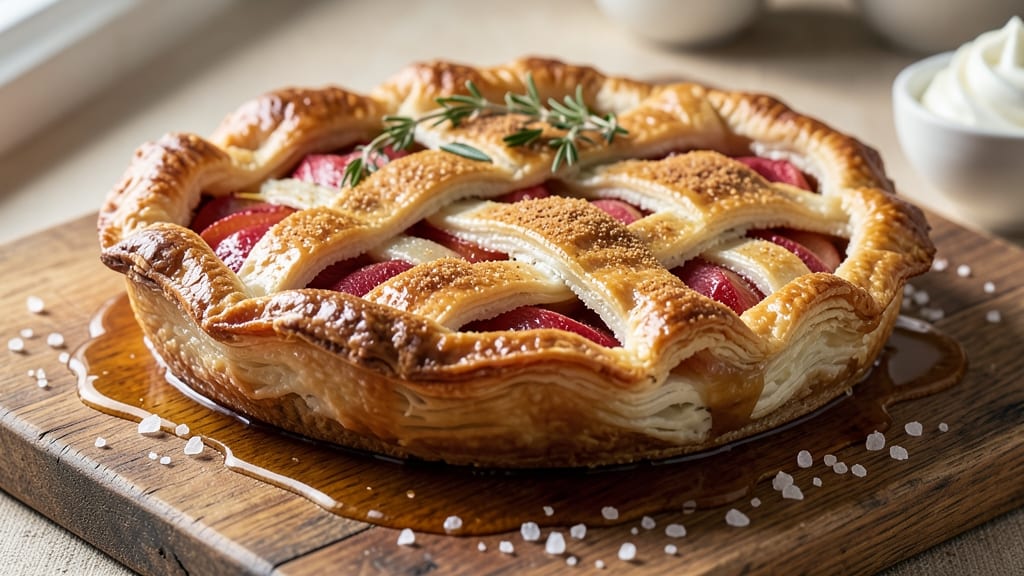
This apple pie crust recipe no shortening delivers the perfect balance of buttery crispness and tender flakiness—no shortcuts, just cold butter layers that create golden, shatteringly thin layers. The secret lies in handling cold butter and flour precisely, ensuring each layer melts into crisp perfection while maintaining structure.
I’ve perfected this technique over years of baking, and it never fails to impress, even with the most skeptical pie lovers.
What sets this crust apart is the cold butter method, which creates that signature flaky texture without relying on shortening. You’ll work with cold butter cut into flour, then rolled out gently to avoid warming the dough prematurely.
This approach ensures a crisp, golden crust that holds its shape under a filling’s weight, whether you’re blind-baking for custards or pairing it with classic apple pie filling.
The result is a crust so tender and crisp it borders on illegal—golden edges, delicate layers, and a buttery aroma that fills your kitchen the moment it hits the oven. No soggy bottoms, no cracking, just restaurant-quality crust that’s foolproof once you master the cold butter technique.
The best part? It’s simpler than it sounds, and the payoff is worth every minute of careful handling.
Use this crust for apple pie, quiche, or even savory tarts—its versatility makes it a staple in any baker’s repertoire. Here’s how to achieve that dreamy texture every time, step by step.
Ingredients for apple pie crust recipe no shortening
Seven simple ingredients, one golden crust—no shortcuts, just cold butter magic.
| Ingredient | Amount | Notes |
|---|---|---|
| All-Purpose Flour 🌾 | 2 ½ cups | Sifted for light texture |
| Unsalted Butter 🧈 | 1 cup | Cold, cubed into small pieces |
| Ice Water 💧 | ⅓ cup | Chilled for crispness |
| Diamond Crystal Kosher Salt 🧂 | ½ tsp | Fine grain preferred |
| Granulated Sugar 🍚 | 2 tbsp | For slight sweetness |
| Vanilla Extract 🍯 | ½ tsp | Pure vanilla preferred |
| Cornstarch 🌽 | 1 tbsp | For extra tenderness |
The butter is king here. Grab European-style butter—like Plugrá or Land O’Lakes European—it has higher fat content for that perfect flakiness. Keep it cold the whole time (I mean fridge-cold, not just room-temp cold). The flour? King Arthur or Gold Medal are my go-tos—they’re reliable. Sift it first, or you’ll end up with a tough crust. Pro tip: use a food processor to cut the butter into the flour quickly, but don’t overmix. The goal is pea-sized crumbs, not dough. And yes, you’ll need ice water—this isn’t optional. It keeps the dough from getting too warm while you roll it out.
No ice water? Freeze a small bowl of water for 10 minutes, then use that. Short on butter? Lard or coconut oil can substitute, but the flavor won’t be the same. The vanilla and sugar are optional but worth it—they add a subtle depth that pairs perfectly with apple pie. If you’re blind-baking, skip the sugar and use extra cornstarch instead. The cornstarch isn’t just for tenderness—it helps prevent shrinkage. And if your dough cracks? Don’t panic. Just patch it up with a little water and flour before baking. It’ll still turn out golden and crisp.
This dough keeps for 3 days wrapped tightly in plastic in the fridge. For longer storage, freeze it for up to 3 months—just thaw overnight in the fridge before using. The best part? You can prep the dough the night before and let it rest, which actually improves the texture. Roll it out between two sheets of parchment paper to avoid sticking, and don’t be afraid to press it gently into your pie dish. The more contact it has, the better it’ll brown. And if you’re making a double crust? Use the trimmings for a free-form tart—zero waste, all flavor.
Why You'll Love This Recipe
- No Fancy Tools Needed: I swear by this crust because it only needs a bowl and a fork—no food processor, no stand mixer. Cold butter and ice water do all the work for you, and the texture comes out flaky without any extra fuss.
- Butter’s Rich Payoff: That single ingredient—unsalted butter—makes all the difference. The sugar just melts into it, creating this perfect balance of sweetness and buttery richness. Honestly, it’s the kind of crust that makes you want to eat the dough before baking.
- Pie for Any Occasion: Use it for apple pie, of course, but I’ve also turned it into hand pies, pot pies, and even a quick galette. The crust holds up no matter what you fill it with, and it’s my go-to for holidays, potlucks, or lazy Sundays.
- Budget-Friendly Luxury: Flour, butter, and salt are pantry staples—no specialty ingredients here. You’re getting a restaurant-quality crust for a fraction of the cost, and leftovers? Roll them up and freeze them for another day. Smart, simple, and satisfying.
Step-by-step instructions for cold butter pie crust
This buttery crust delivers perfect flakiness without any shortening—just cold butter and a few key tricks.
Cut the Cold Butter into the Flour
Place the 1 cup unsalted butter (cubed and chilled) in the center of the 2.5 cups all-purpose flour. I like to use my fingers to break the butter into pea-sized pieces, ensuring they stay cold and firm. Sprinkle the 0.5 teaspoon diamond crystal kosher salt, 2 tablespoons granulated sugar, 0.5 teaspoon vanilla extract, and 1 tablespoon cornstarch over the butter.
Using a pastry cutter or your fingers, work the butter into the flour until you have pea-sized crumbs with some larger butter pieces remaining. The goal is to create a mixture that looks like coarse sand—this ensures maximum flakiness. If the mixture feels too dry, add 1 tablespoon ice water at a time until it just comes together. Overworking the dough will make it tough, so keep it light and airy.
Gradually Add Ice Water for the Right Texture
Start adding the 0.33 cup ice water (chilled) 1 tablespoon at a time, mixing gently with a fork or your hands. The dough should hold together when pressed but still feel slightly crumbly—this is the perfect consistency. If it feels too dry, add a little more ice water. If it's too sticky, sprinkle in a bit more flour. The dough should form a shaggy mass that's easy to handle but not sticky.
Here's the thing—this dough is delicate. Too much water makes it tough, and too little means it won't hold together. I usually need about 2-3 tablespoons of the ice water to get it just right. Press the dough into a loose disk, wrap it in plastic wrap, and refrigerate for at least 1 hour (or up to 2 days). This resting time is crucial—it relaxes the gluten and makes rolling out much easier.
Roll Out the Dough for a Perfect Fit
On a lightly floured surface, roll the chilled dough into a 12-inch circle, about ⅛-inch thick. I like to use a rolling pin, but I press down gently and rotate the dough to keep it even. If the dough starts to stick, sprinkle a little more flour, but don't go overboard—too much flour makes the crust dry and crumbly.
Transfer the rolled-out dough to a 9-inch pie dish, gently pressing it into the bottom and up the sides. Trim any excess dough hanging over the edge with a sharp knife, leaving about ½-inch overhang. Fold the overhang under itself to create a neat, clean edge. Chill the pie crust in the fridge for another 20-30 minutes before filling—this prevents shrinking during baking.
Blind-Bake for a Flaky, Golden Crust
Preheat your oven to 375°F. Line the chilled pie crust with parchment paper, then fill it with dried beans or pie weights (or even dried rice). Bake for 15 minutes, then remove the weights and bake for 5-7 minutes more until the edges are golden brown and the crust looks set. The goal is to create a sturdy base that won't sog down when you add your apple filling.
Here's where it gets fun—brush the hot crust with a little melted butter (not included in the recipe, but trust me, it's worth it) for extra shine and flavor. If you're making a double-crust pie, roll out the second crust, place it on top, and crimp the edges together with a fork or your fingers. Cut a few slits in the top to allow steam to escape. Bake until the crust is deep golden brown and the filling is bubbly.
Pro Tips For Making Apple Pie Crust Recipe No Shortening
- Chill the Butter First: I learned this the hard way—using cold butter straight from the fridge in a warm kitchen means it’ll melt into a greasy mess before you even mix it with flour. Cut that butter into ¼-inch cubes and let it sit on the counter for 10 minutes before measuring. It’ll still be cold enough to hold the dough together but soft enough to cut properly.
- Use a Scale for Flour: Spooning flour into your measuring cup packs it too loosely, and scooping it compresses it—both ruin the ratio. Instead, weigh your flour (250g for a standard crust) directly into the bowl. Yes, it’s an extra step, but this crust will hold its shape and crisp up evenly every time.
- Work Fast with Ice Water: The second you add ice water to your dough, start mixing. If you let it sit even 30 seconds, the flour will absorb moisture unevenly and your crust will turn out tough. Keep a bowl of ice water nearby and add it gradually—just enough to bring the dough together—then stop. Overmixing is the enemy.
- Skip the Sugar in the Crust: That granulated sugar in the dough caramelizes beautifully, but it also makes the crust softer faster. If you’re prepping ahead or baking in a humid kitchen, halve the sugar or leave it out entirely. The apples will still taste sweet, and your crust will stay crisp longer. (I know, I know—it’s heresy.)
Perfect pairings for this apple pie crust recipe no shortening
Sweet Toppings
For apple pie, I always top the baked crust with a light layer of applesauce or egg wash (1 egg beaten with 1 tbsp water) before adding filling. This creates a golden, glossy finish.
If you're making a custard pie, brush the crust with vanilla bean paste after blind-baking for extra aroma. For a dessert tart, sprinkle turbinado sugar on top before baking—it caramelizes beautifully. 🍯
Savory Pairings
This crust shines in savory dishes too! For quiche Lorraine, brush the baked crust with garlic-infused olive oil before adding the egg custard. For savory galettes, pair with caramelized onions, Gruyère cheese, and a drizzle of Dijon mustard.
Even a breakfast strudel with scrambled eggs and ham works beautifully—just fold the edges after baking for a rustic finish. 🧀
Beverage Pairings
Nothing beats a slice of apple pie with a hot cup of chai tea or spiked apple cider (add 1 oz bourbon per mug). For savory crusts, a dry Riesling or crisp Sauvignon Blanc cuts through the richness.
Coffee lovers? Try a dark roast with cinnamon—the warmth complements the crust's buttery notes perfectly. 🍷
Garnish Ideas
After baking, finish with flaky sea salt (like Maldon) for a sophisticated touch. For apple pie, sprinkle toasted pecans or candied walnuts on top. A dusting of powdered sugar adds sweetness without overpowering. For savory tarts, garnish with fresh thyme or microgreens for color and freshness. ✨
Filling Complements
This crust pairs perfectly with spiced apple filling (cinnamon, nutmeg, brown sugar), but also works with peach cobbler, blueberry galette>, or even sweet potato mash>. For custard pies, a vanilla bean in the filling elevates the flavor.
If you're adventurous, try a chocolate-hazelnut spread**> filling for a dessert tart—trust me, it’s a game-changer. 🍫
Nutrition facts
Frequently asked questions
Why use cold butter instead of shortening?
Cold butter creates those signature flaky layers that shortening can't match. When baked, the butter melts between flour layers, creating air pockets that give your crust that delicate, crisp texture. Shortening has a higher melting point and doesn't create the same flakiness - it's more stable but lacks the buttery richness.
Can I make this crust ahead of time?
This dough keeps perfectly in the fridge for 3 days wrapped tightly in plastic. For longer storage, freeze it for up to 3 months. Just thaw overnight in the fridge before using. The resting time actually improves the texture, so making it ahead is ideal.
What if my dough cracks when rolling?
Don't panic - this happens when the dough warms up too much. Simply patch the cracks with a little water and flour, then gently press them together. If the dough feels too warm, chill it for 10-15 minutes before continuing. The key is working quickly and keeping everything cold.
Can I substitute the butter with something else? For best results, stick with cold butter, but you can try lard or coconut oil in a pinch. Lard gives a similar flaky texture, while coconut oil adds a slight tropical note. Just
How do I prevent a soggy bottom?
For apple pie, always blind-bake the crust first (as shown in the instructions). This creates a sturdy base that won't absorb filling moisture. You can also add a thin layer of applesauce or jam between the crust and filling to create a moisture barrier. Pre-baking is the foolproof method!