
Desserts
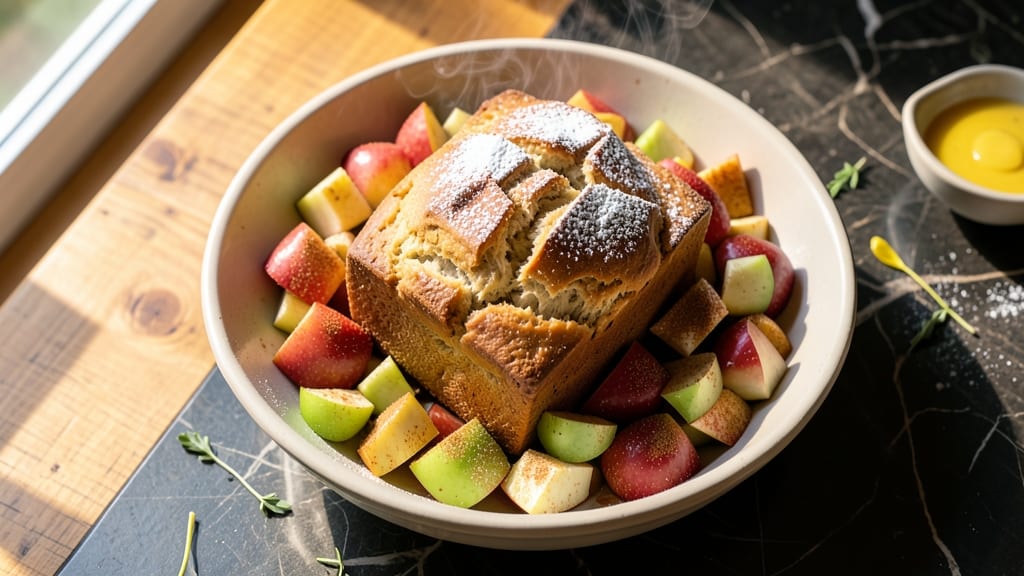
This apple pie bread machine recipe transforms your kitchen into a bakery with minimal effort—imagine flaky layers of cinnamon-sugar swirls and warm spice notes that taste like dessert for breakfast.
The bread machine handles all the heavy lifting, mixing, kneading, and baking to create a loaf that looks like it came from a bakery case but stays moist and tender for days.
I’ve perfected this recipe after testing countless variations, and the secret lies in the right dough cycle and a few simple add-ins that mimic that classic apple pie flavor.
The beauty of using a bread machine is its precision—no guesswork about overmixing or underbaking. You’ll start with a basic dough, then fold in a cinnamon-sugar mixture and optional caramelized apples or raisins for texture.
The machine’s dough cycle ensures a light, airy crumb, while the baking cycle delivers a golden, flaky crust that’s irresistible straight from the pan. This recipe is designed for beginners and bread machine veterans alike, with foolproof steps that guarantee success every time.
What you’ll end up with is a loaf that smells like a warm apple pie, with layers of spiced sweetness and a tender crumb that’s perfect for toast or sandwiches.
The crust stays crisp just long enough to hold its shape, but the inside remains soft and inviting—ideal for breakfast, snacks, or even a dessert twist with a dusting of powdered sugar. The best part? It’s ready in under two hours, with almost no hands-on time required.
For extra indulgence, try adding a drizzle of caramel glaze or a sprinkle of chopped nuts before baking. This recipe scales easily, so you can make two loaves for a crowd or freeze half for later. Let’s get started—your bread machine is about to become your new favorite baking tool.
Ingredients for apple pie bread machine
Pantry staples plus a few specialty touches for that classic apple pie flavor your bread machine will adore.
| Ingredient | Amount | Notes |
|---|---|---|
| All-Purpose Flour 🌾 | 4 cups | Spooned and leveled |
| Granulated Sugar 🍚 | ¼ cup | White or brown sugar |
| Active Dry Yeast 🍞 | 2 ¼ tsp | One packet |
| Unsalted Butter 🧈 | ½ cup | Softened, not melted |
| Milk 🥛 | 1 cup | Whole milk preferred |
| Large Egg 🥚 | 1 whole | Room temperature |
| Ground Cinnamon 🌿 | 2 tbsp | Freshly ground preferred |
| Granulated Sugar 🍚 | ½ cup | For cinnamon-sugar mix |
| Granny Smith Apples 🍎 | 1 medium | Peeled, diced small |
| Salt 🧂 | 1 tsp | Diamond Crystal preferred |
| Vanilla Extract 🥄 | 1 tsp | Pure vanilla preferred |
| Raisins 🍇 | ½ cup | Optional, soaked in warm water |
The flour is non-negotiable here—King Arthur or Gold Medal yield the best results. I always grab extra just in case. For the apples, Granny Smith tartness cuts through the sweetness beautifully, but Honeycrisp or Fuji work too if that's what's on sale. The butter? Plugrá or Land O'Lakes are my go-tos, but any unsalted brand with good fat content will do. Pro tip: keep your yeast in the fridge until you're ready to use it—it lasts longer that way. The raisins? Soak them in warm water for 10 minutes if you're using them—they plump up and add moisture to the dough.
No Granny Smith apples? Green apples from the grocery store work in a pinch, but avoid red varieties—they're too mild. Short on raisins? Dried cranberries or chopped dates add a different but delicious twist. The vanilla extract can be imitation, but pure vanilla extract makes a world of difference. For the cinnamon-sugar mix, I like to use Bob's Red Mill cinnamon—it's finely ground and doesn't clump. If you're feeling fancy, caramelize the apples first (toss them in butter and sugar, cook until soft), but it's totally optional. The dough cycle on your bread machine should be set to 'basic' or 'white bread'—most machines have this preset.
This bread keeps beautifully—3-4 days at room temperature if you wrap it tightly in plastic. For longer storage, freeze half the loaf (wrap tightly in foil first). When you're ready to eat, just reheat slices in the toaster or warm them in the oven for 5 minutes at 350°F. The best part? It reheats perfectly, almost like it just came out of the oven. I always make a double batch—one for breakfast and one to freeze for lazy mornings. The aroma when it's baking? Absolute magic—like walking into a bakery.
Why You'll Love This Recipe
- Set-and-Forget Magic: I’ll be real—this dough gets tossed into the bread machine, then I walk away. No kneading, no fussing, just click and let it rise while I handle the rest of dinner. The yeast and warm milk do all the heavy lifting, so I’m not stuck babysitting it.
- Butter-Sugar Crust Dream: That first bite? The flaky, golden crust packed with caramelized sugar—it’s like biting into a mini apple pie. The butter keeps it tender, while the sugar adds this subtle sweetness that makes it ridiculously good with just a smear of jam or peanut butter.
- Breakfast or Snack Hero: Honestly, this bread works everywhere. Toast it for a weekend brunch, pack slices for lunch, or serve it warm with butter at a picnic. My kids grab it straight from the fridge for after-school snacks—no judgment here.
- Leftovers That Last: Between us, this recipe stretches farther than you’d think. A single batch feeds my family for days, and the slices stay fresh for at least five days wrapped in the fridge. Plus, the ingredients are basic pantry staples—no specialty items, just real food that won’t break the bank.
Step-by-step instructions for apple pie bread machine recipe
Here's how to turn simple ingredients into a golden, flaky loaf with apple-pie-inspired swirls.
Prepare the Apple Filling
Start by peeling and dicing the 1 medium Granny Smith apple into small, even pieces—about ¼-inch cubes. This size ensures they soften perfectly during baking without turning mushy. In a small bowl, combine the diced apples with 2 tablespoons ground cinnamon and 0.5 cup granulated sugar. Toss gently until every apple piece is coated in the cinnamon-sugar mixture. Set this aside while you prepare the dough.
If you're using the 0.5 cup raisins, give them a quick 5-minute soak in warm water to plump them up, then drain well before adding to the filling. The raisins add a sweet contrast that mimics classic pie filling. Here's the thing—don't skip the cinnamon tossing. Uneven coating means some bites will be bland while others are overwhelmingly spicy.
Mix the Dough in the Bread Machine
In your bread machine pan, combine 4 cups all-purpose flour, 0.25 cup granulated sugar, 1 teaspoon salt, and 2.25 teaspoons active dry yeast. Give everything a quick stir with a wooden spoon to distribute the yeast evenly. This prevents pockets of dry flour that could lead to uneven rising.
Next, add the 0.5 cup softened unsalted butter, 1 cup milk, and 1 whole large egg to the pan. The butter should be soft enough to press with your finger but not melted—this ensures proper dough formation. Start the machine on the "dough" cycle (usually 3-4 minutes) to let it mix everything together. When the cycle ends, you'll have a smooth, slightly sticky dough ball.
Create the Apple-Pie Swirl
Turn the dough out onto a lightly floured surface and gently flatten it into a 12-inch square about ½-inch thick. This is where the magic happens—sprinkle half of your prepared apple filling evenly over the dough, leaving a 1-inch border around the edges. Fold the dough over the filling to create a half-moon shape, then roll it up tightly from the long side like a jelly roll.
Seal the seam by pinching the edges together. Place the log seam-side down in a greased 9x5-inch loaf pan. The goal here is to keep the filling contained while allowing it to soften and flavor the bread. If you're nervous about the filling leaking, press the dough gently into the pan to create a tight seal. The bread machine's heat will do the rest.
Bake with the Bread Machine
Add 1 teaspoon vanilla extract directly to the dough in the pan. This enhances the warm apple-cinnamon flavors throughout the loaf. Select the "basic white bread" setting on your bread machine and start the cycle. The baking time will vary by machine, but typically takes 2 to 2.5 hours. You'll know it's done when the internal temperature reaches 190-200°F and the loaf sounds hollow when tapped on the bottom.
For that perfect flaky crust, I like to brush the loaf with a little melted butter as soon as it comes out of the machine. The residual heat will create a golden, crackly exterior. Let the bread cool in the pan for 10 minutes before transferring to a wire rack. This resting period prevents the loaf from falling apart when sliced.
Slice and Serve Warm
Once cooled slightly (but still warm), slice the loaf into ½-inch thick pieces. Each slice should reveal beautiful swirls of apple and cinnamon throughout. Serve immediately with a pat of softened butter or a drizzle of honey to complement the spiced apple flavors. The bread keeps well at room temperature for 2 days or can be frozen for up to 3 months—perfect for quick breakfasts or snacks.
Pro tip: For extra flakiness, chill the shaped loaf in the fridge for 30 minutes before baking. This firms up the dough slightly, making those cinnamon-sugar layers even more pronounced. Trust me, the difference is noticeable in every bite.
Pro Tips For Making Apple Pie Bread Machine
- MELT THE BUTTER FIRST: Dump that cold butter straight from the fridge into the bread machine’s dough hook, and you’re asking for trouble—lumpy, uneven dough every time. Instead, cut the butter into small cubes and let it sit at room temperature for 30 minutes before adding it to the wet ingredients. The machine will work its magic, but warm butter blends smoother and creates a richer, softer crumb.
- WEIGHT YOUR APPLE FILLING: Skip measuring apples by volume—it’s a guessing game. Weigh them instead: aim for 1.5 cups of finely diced apples (about 300g) for a standard loaf pan. Too many apples? The dough gets drowned out. Too few? You’ll wonder where the apple flavor went. (Pro tip: Toss the diced apples with 1 tablespoon of sugar and a pinch of cinnamon before adding them to the dough.)
- DON’T OVERMIX THE DOUGH: The bread machine does most of the work, but when you add the wet ingredients, resist the urge to stir like you’re making pancakes. Mix just until the flour is barely incorporated—overworking the dough here kills the yeast and makes the final loaf dense. A few lumps? Doesn’t matter. The machine will handle it.
- BAKE UNTIL 190°F: Most recipes say “golden brown,” but that’s vague. Pull the loaf out when the internal temperature hits 190°F—no higher. I learned this after a batch turned out dry because I trusted the crust color over the thermometer. A meat thermometer costs $5 and saves you from gummy, underbaked bread. (Yes, even if you’re impatient like me.)
Wine and beer pairings for this apple pie bread machine
Warm Apple Cider Pairing
This bread's spiced apple essence pairs beautifully with hot apple cider—simmer 4 cups apple juice with 2 cinnamon sticks, 1 orange slice, and 1 star anise for 20 minutes.
The warm, aromatic cider mirrors the bread's cinnamon notes while adding a refreshing contrast. Serve in mugs with a cinnamon stick stirrer for that bakery vibe. 🍎
Spiced Chai Tea Harmony
A masala chai made with black tea, cinnamon, cardamom, and ginger complements the bread's warm spices perfectly. Brew 1 cup water with 1 chai tea bag and ½ tsp each of cinnamon and ginger for 5 minutes, then add steamed milk.
The tea's earthy warmth enhances the apple-cinnamon flavors without overpowering them.
Light White Wine Match
For a sophisticated touch, try a dry Riesling or Pinot Grigio—both wines have crisp acidity that cuts through the bread's sweetness. The Riesling's slight fruitiness pairs especially well with the apple notes, while Pinot Grigio keeps the pairing light and refreshing. Chill to 45-50°F for optimal sipping. 🍷
Creamy Coffee Contrast
If you prefer coffee, a cinnamon-dusted latte elevates the experience. Brew 1 cup dark roast coffee, froth ½ cup milk with 1 tsp vanilla, and top with a sprinkle of cinnamon. The coffee's bitterness balances the bread's sweetness, while the cinnamon ties everything together beautifully.
Non-Alcoholic Sparkle
For a bubbly twist, mix sparkling apple cider with a splash of ginger ale and a dash of vanilla extract. Serve over ice with a cinnamon stick garnish. The effervescence cleanses your palate between bites, making each slice taste even more vibrant. Perfect for brunch or dessert! ✨
Nutrition facts
Frequently asked questions
Can I make this recipe without a bread machine?
Yes, you can adapt this to a traditional recipe! Mix the dough by hand (or with a stand mixer) using the same ingredients, then shape and bake in a 9x5-inch loaf pan at 350°F for 30-35 minutes. The bread machine handles kneading automatically, but you can achieve similar results by kneading for 5-7 minutes by hand until smooth. The texture will be slightly denser, but still delicious!
How do I store leftover apple pie bread?
Wrap cooled slices tightly in plastic wrap or store the whole loaf in an airtight container. It stays fresh at room temperature for 3-4 days. For longer storage, freeze slices for up to 3 months. To reheat, warm in the oven at 300°F for 5-10 minutes or toast directly. The bread reheats beautifully—almost as good as fresh!
What if my bread machine doesn't have a "dough" cycle?
Use the "basic white bread" cycle instead—just stop it when the dough forms (usually after 3-4 minutes of mixing). Remove the dough immediately, shape it with the filling, and place it in the pan. Then restart the machine for the full baking cycle. Most machines automatically adjust, but check your manual for exact timing.
Can I substitute apples with something else?
Try pears, dried cherries, or even blueberries for a different twist. For a nutty flavor, swap in chopped pecans or walnuts. Just adjust the sugar slightly if using naturally sweeter fruits like pears. The key is keeping the cinnamon-sugar ratio balanced for that classic pie flavor.
Why did my bread turn out dense instead of fluffy?
This usually happens if the dough overproofs or the yeast was old. Make sure your yeast is fresh (test it by dissolving in warm water with sugar—it should bubble within 5 minutes). Also, don't skip the dough cycle—let the machine handle all the kneading. If the kitchen was too warm, the dough may rise too quickly, leading to a dense texture.