
Desserts
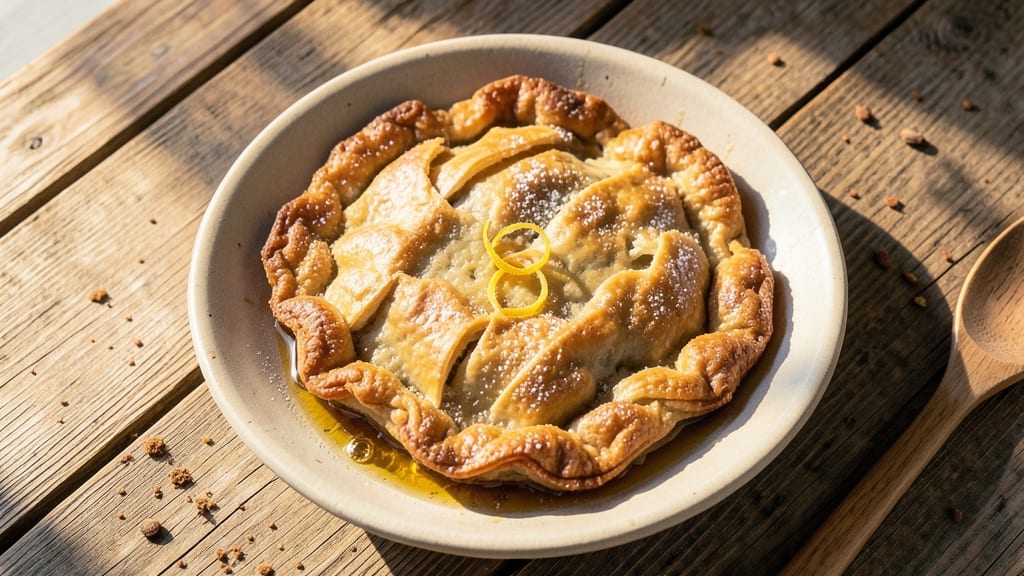
This Amish fried pie crust delivers the iconic golden crunch and flaky layers that make it a beloved dessert tradition. Unlike traditional rolled crusts, this recipe uses a simple dough technique that bakes up perfectly crispy every time—no rolling pin required.
The secret lies in the high-fat dough (traditionally made with lard) and the deep-frying method that creates that signature shatteringly crisp exterior while keeping the inside tender.
What sets this recipe apart is its authenticity rooted in Pennsylvania Dutch traditions, where fried pies like shoofly or apple were a staple at gatherings.
The dough is shaped into a cone, filled with sweet or savory mixtures, and fried until golden brown, resulting in a handheld dessert that’s both satisfying and nostalgic. Safety is key here—proper oil temperature and careful frying ensure a foolproof outcome.
The filling possibilities are endless, from classic apple or cherry to rich custard or spiced pumpkin. Once fried, the crust’s crispy edges give way to a tender interior, creating a perfect balance of textures. This recipe captures the heart of Amish baking culture while making it accessible for home cooks.
Ready in about 30 minutes, this dessert is ideal for family dinners, potlucks, or special occasions. The technique is straightforward, but the result feels like a homemade treat from a community kitchen. Let’s get started on creating this beloved classic.
Ingredients for amish fried pie crust
Authentic Amish fried pie crust relies on high-fat dough and precise technique for legendary crunch.
| Ingredient | Amount | Notes |
|---|---|---|
| All-Purpose Flour 🌾 | 2 cups | Sifted for optimal texture |
| Lard 🧈 | 1 cup | Chilled for easier handling |
| Granulated Sugar 🍚 | ¼ cup | Fine grain preferred |
| Salt 🧂 | ½ tsp | Diamond Crystal preferred |
| Ice Water 💧 | ½ cup | Chilled for crisp texture |
| Vegetable Oil 🫒 | 3 cups | For deep-frying, 350°F |
| Unsalted Butter 🧈 | ¼ cup | Cold, cubed for richness |
| Cream of Tartar 🧂 | ¼ tsp | Enhances leavening |
The lard is non-negotiable for that signature crispness—Amish Country or Leaf Lard are top choices, but any leaf lard works. If unavailable, substitute with shortening (like Crisco) for a close approximation, though texture will differ slightly. The flour should be King Arthur or Gold Medal for consistent results, as these brands have higher protein content that strengthens the dough. Chill all ingredients before mixing to prevent the fat from melting prematurely, which can lead to a greasy, rather than crisp, crust. Store-bought lard from the refrigerated section of grocery stores like Walmart or Kroger is perfectly fine if you can't find specialty brands.
No lard? Shortening or cold butter can work in a pinch, though texture will be less authentic. The cream of tartar stabilizes the dough and prevents browning—skip it only if you have none, but expect a slightly darker crust. For the vegetable oil, any neutral oil with a high smoke point (like Avocado or Canola) works, but vegetable oil is the traditional choice due to its affordability and availability. The butter should be European-style if possible (like Plugrá or President), as it has a higher fat content that contributes to crispiness. If you're making multiple pies, divide the dough into four equal portions and wrap each tightly in plastic wrap to maintain shape and prevent drying.
The dough keeps for up to 2 days in the fridge, wrapped tightly in plastic. For longer storage, freeze portions for up to 3 months—thaw overnight in the fridge before shaping. Once fried, these crusts stay crisp for 2-3 days at room temperature if stored in an airtight container, though they're best enjoyed fresh. To reheat, place in a 350°F oven for 5-7 minutes until crisp again. Avoid microwaving, as it makes the crust soggy. For batch cooking, fry in small groups to maintain oil temperature—350°F is critical—and use a thermometer to monitor it closely.
Why You'll Love This Recipe
- No-Fuss Mixing: I swear by this crust—just flour, lard, sugar, and ice water. No butter fussing, no rolling pins, no stress. The lard keeps it flaky without the headache of chilled dough.
- Sweet-Savory Crunch: That sugar in the crust? It’s not just decoration—it caramelizes into a golden, buttery crunch that balances anything inside. (Yes, even when I forget to add filling and eat it plain.)
- Weeknight Workhorse: Use it for pies, hand pies, or even as a crispy topping for casseroles. I’ve made it for church potlucks, last-minute desserts, and my kid’s school bake sale—it’s always a hit.
- Budget Magic: Lard and flour are cheap, and this recipe stretches further than store-bought crusts. Plus, leftovers? Toss them in the oven for 10 minutes—still delicious, still crispy.
Step-by-step instructions for Amish fried pie crust
This method delivers a golden, flaky crust without rolling—just mix, fry, and serve.
Combine Dry Ingredients for Perfect Texture
In a large mixing bowl, sift together the 2 cups all-purpose flour, 0.25 cup granulated sugar, 0.5 teaspoon salt, and 0.25 teaspoon cream of tartar. The cream of tartar is key here—it stabilizes the leavening and prevents a metallic aftertaste. Use your fingers to break up any flour clumps until the mixture is completely smooth and aerated.
I like to press the flour mixture through a fine-mesh sieve directly into the bowl to ensure even distribution of the sugar and salt. This step is crucial for achieving that signature Amish flakiness. Set the bowl aside while you prepare the fat mixture—you'll want everything ready before combining.
Cut in Cold Fat for Flaky Layers
In a separate bowl, combine the 1 cup chilled lard and 0.25 cup cold cubed unsalted butter. Using a pastry cutter or two forks, work the fat into the dry ingredients until the mixture resembles coarse crumbs with pea-sized fat pieces. This texture is what creates those signature flaky layers when fried.
Don't overwork the mixture—just until the largest pieces are about the size of a pea. If you see any dry flour pockets, press them together with your fingers. The fat should coat the flour evenly but still have visible pieces. This is where the magic happens for that perfect crispy texture.
Add Ice Water for Light, Airy Dough
Gradually add the 0.5 cup ice water, one tablespoon at a time, mixing gently with a fork or wooden spoon. The water should be ice cold to prevent the fat from melting prematurely. Mix just until the dough comes together—it will be slightly shaggy and sticky, but not wet.
I know it seems like too much water at first, but trust me—this is exactly what you want. The cold water activates the gluten just enough to hold the crust together during frying, while keeping it light enough to fry properly. Once combined, turn the dough out onto a lightly floured surface and gently shape it into a 1-inch thick rectangle.
Cut and Fry for Golden Crispiness
Heat 3 cups vegetable oil in a deep fryer or heavy pot to 350°F. While the oil heats, cut the dough rectangle into 4 equal strips, each about 3 inches wide. The strips should be uniform in size for even cooking—this is where precision pays off in the final texture.
Working in batches, carefully slide the dough strips into the hot oil. Fry for 3-4 minutes per side until golden brown and crisp. Use a slotted spoon to turn them—don't crowd the fryer or the oil temperature will drop. The crust should float when ready, with a deep golden color that's almost mahogany in spots.
Drain and Serve Immediately
Transfer the fried strips to a wire rack set over a paper towel-lined plate. The paper towels will absorb excess oil while the rack allows air circulation to maintain crispness. Serve the crust warm, straight from the fryer—this is when it's at its peak texture.
For that classic Amish presentation, arrange the strips in a circular pattern in a pie dish. The crispy edges will hold their shape while the center remains tender. If making ahead, cool completely and store in an airtight container for up to 3 days, but I recommend serving fresh for maximum crunch.
Pro Tips For Making Amish Fried Pie Crust
- CHILL THE LARD FIRST: I learned this the hard way—dumping cold lard into warm flour makes a greasy mess. Let the lard sit at room temp for 10-15 minutes before mixing, or even better, microwave it for 10 seconds to soften. This keeps the dough from turning into a sticky disaster while still giving you that signature flaky texture.
- WORK THE DOUGH FAST: Amish fried pie crust needs just enough handling to bind, not enough to develop gluten. Cut the lard into the flour with a pastry cutter or two forks until it resembles coarse crumbs—no smaller than peas. Overworking it turns the crust tough, and nobody wants that.
- USE ICE WATER SPARINGLY: The recipe calls for ice water, but don’t drown the dough. Add it 1 tablespoon at a time until it just holds together when pressed. Too much water = soggy crust. Too little = dry, crumbly pieces. Aim for damp, not wet.
- FRIED CRUST NEEDS DRY HEAT: Deep-fry in oil heated to 350°F—not too hot, or the crust burns before it cooks through. Use a candy or deep-fry thermometer to check, and keep the oil moving gently with a wooden spoon. A lazy approach? Sure. But it guarantees even cooking every time.
Flavor customization for this amish fried pie crust
Sweet vs. Savory Fillings
Traditional Amish fried pies lean sweet, but don’t limit yourself! Classic fillings like spiced apple or cherry (simmered with 1 cup sugar, 1 tsp cinnamon, and 2 tbsp lemon juice) create the iconic dessert.
For savory twists, try sausage and peppers (cooked with ½ lb Italian sausage, 1 bell pepper, and 1 onion) or cheesy potato (mash 2 cups potatoes with 1 cup shredded cheddar and 1 tsp garlic powder). 🍎
Spiced Variations
Boost warmth with 1 tsp pumpkin pie spice (cinnamon, nutmeg, ginger, cloves) for apple or custard fillings. For a Mexican-inspired twist, add ½ tsp cumin and ¼ tsp cayenne to sausage fillings. I love a cardamom kick—just ½ tsp ground cardamom in cherry fillings for a fragrant, aromatic depth.
Always toast whole spices (like cinnamon sticks) for 30 seconds in a dry pan to intensify flavor.
Gluten-Free Adaptation
Replace 2 cups all-purpose flour with 1½ cups gluten-free 1:1 baking flour (like King Arthur Measure for Measure) plus ½ cup tapioca starch. Chill the dough longer (30 minutes) to compensate for reduced gluten structure.
For frying, use avocado oil (higher smoke point) and reduce oil temp to 340°F to prevent burning. The texture will be crisp but slightly denser—still delicious! 🌾
Flavor Boosters
Finish fried pies with powdered sugar (sift 2 tbsp over warm crusts) or caramel drizzle (melt ½ cup brown sugar with 2 tbsp butter). A sprinkle of toasted pecans adds crunch to apple pies, while flaky sea salt (like Maldon) elevates savory versions.
For a smoky note, lightly brush warm crusts with ½ tsp liquid smoke before serving—trust me, it’s a game-changer.
Regional Twists
In Ohio, add 1 tbsp molasses to apple fillings for a shoofly-inspired taste. Pennsylvania Dutch cooks often include 1 tbsp blackstrap molasses in cherry pies for depth.
For a Southern touch, swap lard for ½ cup bacon fat (rendered and chilled) in the dough—it adds a smoky richness that pairs perfectly with sausage fillings. 🔥
Make-Ahead Fillings
Prep fillings 24 hours ahead to deepen flavors. For fruit-based fillings, simmer with 1 tbsp cornstarch to thicken, then cool completely before filling. Custard fillings (egg, sugar, milk) should be chilled overnight to prevent soggy crusts.
Store fillings in airtight containers in the fridge. When ready to fry, warm fillings to room temperature—this ensures even distribution and a perfect set. ✨
Nutrition facts
Frequently asked questions
Why does traditional Amish fried pie crust use lard instead of butter?
Lard creates that signature shatteringly crisp texture that butter can't match. The higher fat content (about 100%) renders perfectly when fried, giving the crust its iconic golden crunch while keeping the inside tender. Plus, lard has a higher smoke point than butter, making it ideal for deep-frying at 350°F without burning.
Can I make this crust without a deep fryer?
Use a heavy-bottomed pot with at least 3 inches of oil. A candy or deep-fat thermometer is essential to maintain 350°F. Work in small batches to avoid dropping the oil temperature—never overcrowd the pot. A slotted spoon helps transfer the strips safely.
What's the best way to fill fried pie crust?
For classic Amish pies, try spiced apple or cherry filling (simmer 2 cups fruit with 1 cup sugar and 1 tsp cinnamon). For savory options, mix cooked sausage with peppers or cheesy mashed potatoes. Always warm fillings to room temperature before assembling to prevent soggy crusts.
How do I store leftover fried pie crust?
Cool completely, then place in an airtight container. Crust stays crisp for 2-3 days at room temperature. For longer storage, freeze for up to 1 month. Reheat in a 350°F oven for 5-7 minutes—never microwave, as it makes the crust soggy.
What if my crust turns out greasy instead of crispy?
Greasy crusts usually mean the oil wasn't hot enough or the dough was overworked. Always maintain 350°F oil and fry in batches. For next time, chill the dough longer (30 minutes) before cutting and use ice water to prevent fat from melting prematurely.