
Desserts
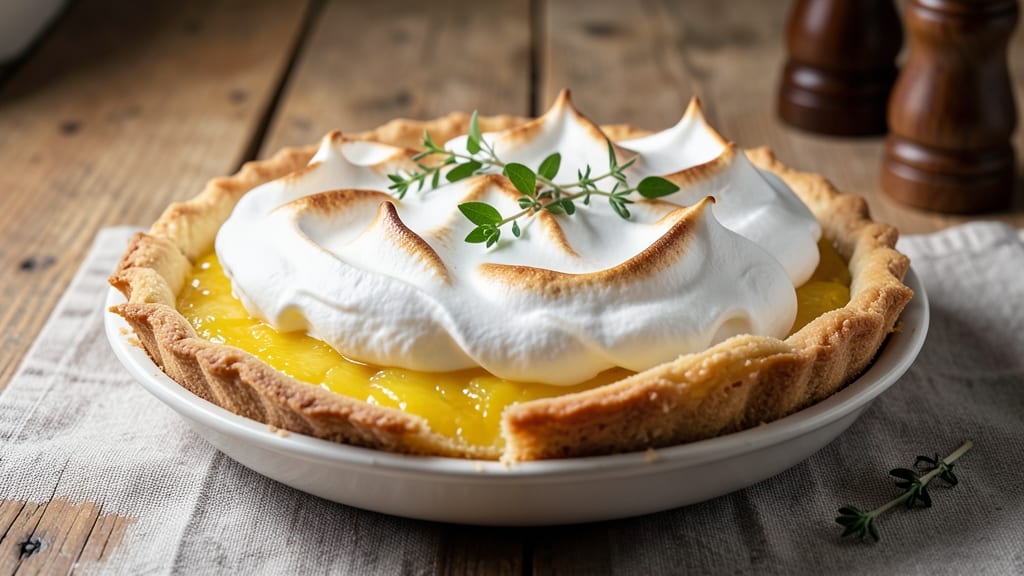
America's Test Kitchen's lemon meringue pie recipe delivers the perfect balance of tangy lemon curd and fluffy meringue—every slice is a masterpiece of texture and flavor. The foil-sealed crust ensures a crisp bottom without overbaking, while the Swiss meringue technique guarantees a cloud-like topping that browns beautifully. I’ve refined this recipe over years of testing, eliminating common pitfalls like soggy crusts or weepy fillings.
The secret to this pie lies in precision: a well-chilled crust prevents shrinking, and the lemon curd is cooked to the right consistency—smooth but not runny. The Swiss meringue, stabilized with cream of tartar, holds its shape while baking, creating those signature peaks.
With 30 minutes of prep and 1 hour of baking, you’ll have a pie that rivals the best bakery versions.
What makes this recipe stand out is its foolproof method—no guesswork, just reliable results. The crust stays crisp, the filling remains vibrant, and the meringue browns to a golden finish.
Serve it warm or at room temperature, and you’ll understand why this is a classic dessert that never goes out of style.
Perfect for holidays, potlucks, or a special dessert night, this pie is a showstopper. Let’s get started on creating a dessert that’s as impressive as it is delicious.
Ingredients for america's test kitchen lemon meringue pie
Precision ingredients for a foolproof lemon meringue pie with crisp crust and cloud-topped meringue.
| Ingredient | Amount | Notes |
|---|---|---|
| All-Purpose Flour 🌾 | 2 ½ cups | Sifted for light texture |
| Unsalted Butter 🧈 | 1 cup | Cold, cubed (2 sticks) |
| Granulated Sugar 🍚 | ¼ cup | Plus 1 tbsp for sprinkling |
| Kosher Salt 🧂 | ½ tsp | Diamond Crystal preferred |
| Ice Water 💧 | ⅓ cup | For dough binding |
| Large Egg Yolks 🥚 | 4 whole | Room temperature |
| Lemon Zest 🍋 | 2 tbsp | From 2 large lemons |
| Fresh Lemon Juice 🍋 | ¾ cup | From 4-5 lemons |
| Granulated Sugar 🍚 | 1 ½ cups | For lemon curd |
| Eggs 🥚 | 6 whole | Large, room temperature |
| Cornstarch 🌾 | ¼ cup | For smooth curd |
| Salted Butter 🧈 | ½ cup | Cold, cubed (1 stick) |
| Large Egg Whites 🥚 | 6 whole | Room temperature |
| Cream of Tartar 🍋 | ¼ tsp | For meringue stability |
| Granulated Sugar 🍚 | 1 ¼ cups | For Swiss meringue |
| Aluminum Foil 📄 | 1 sheet | Heavy-duty, 12x15 inches |
The crust starts with cold butter—never melt it, or you'll end up with a tough bottom. I always use Plugrá brand butter from the grocery store's freezer section (it's consistently cold and high-fat). For the flour, King Arthur All-Purpose is my go-to—it's finely milled and sifted for that perfect crumb. The lemon zest is non-negotiable: use organic lemons from the produce section, scrubbed well. The fresh lemon juice should be freshly squeezed—bottled juice lacks the bright acidity needed for that signature tang. Pro tip: zest the lemons first, then juice them for maximum flavor extraction.
No cream of tartar? Substitute lemon juice at half the amount—it stabilizes the meringue similarly. Running short on egg yolks? Use 5 yolks plus 1 extra egg white to maintain structure. The Swiss meringue technique requires gradual heating—if your thermometer hits 160°F, you're golden. For the crust, shortcut option: use store-bought pie crust (like Pepperidge Farm) and blind-bake it per package instructions. The aluminum foil should be heavy-duty—regular foil may tear when removing it later. And yes, room-temperature eggs are critical—they whip up fluffier than cold ones.
Store the lemon curd filling in an airtight container for up to 4 days in the fridge—it actually tastes better the next day as flavors meld. The assembled pie keeps for 3 days at room temperature (covered loosely) or 1 week refrigerated. For freezing, assemble the pie, bake the crust and filling, then add the meringue just before freezing. Thaw overnight in the fridge before baking the meringue. Make-ahead tip: Prep the crust and filling separately, then assemble and bake fresh—this ensures maximum crispness and meringue height.
Why You'll Love This Recipe
- No-Fuss Crust: I’ve made pie crusts that required rolling, patching, and praying—this one? Just mix flour, butter, sugar, and ice water until it clumps. No food processor, no stress. The ATK method gives you a tender, flaky base without the fuss of cold butter tricks or overworking the dough.
- Tart-Sweet Magic: That bright lemon curd layer? It’s the real star. The recipe balances the tang with just enough sugar to make it irresistible—not cloying, not bland, but ridiculously good. And the meringue? Toasted to golden perfection, with a crisp shell that holds up for days.
- Showstopper Any Day: Between us, this pie looks impressive enough for Thanksgiving but takes less than an hour. Serve it at a summer potluck, a holiday dessert table, or just because you’re feeling fancy. (Yes, even on a Tuesday night.) The buttery crust and glossy meringue scream “I put in effort”—without the actual effort.
- Leftovers That Don’t Suck: Most pies turn dry or soggy by day two. Not this one. The ATK lemon curd stays vibrant, and the meringue keeps its structure—so you can slice it for breakfast, pack it for lunch, or save it for when you’re too lazy to bake again. Budget-friendly, too: a single pie feeds a crowd or stretches into snacks for a week.
Step-by-step instructions for america's test kitchen lemon meringue pie
Here's the method that delivers a perfect balance of tangy lemon curd and cloud-like meringue every time.
Prepare the Foil-Sealed Crust
In a food processor, pulse the 2.5 cups all-purpose flour, 0.5 teaspoon kosher salt, and 0.25 cup granulated sugar together until combined. Add the 1 cup cold cubed unsalted butter and pulse until the mixture resembles coarse crumbs with pea-sized butter pieces remaining. This texture is crucial for a flaky crust.
Gradually add the 0.33 cup ice water, pulsing just until the dough comes together. Avoid overmixing—just until the dough forms a rough ball. Turn the dough out onto a lightly floured surface and gently shape it into a disk. Wrap in plastic wrap and chill for 30 minutes while you prepare the filling.
Assemble and Bake the Crust
Roll out the chilled dough on a lightly floured surface to a 12-inch circle, about ⅛-inch thick. Transfer it to a 9-inch pie dish and trim the edges, leaving a ½-inch overhang. Fold the overhang under itself to create a neat edge. Chill the crust for another 15 minutes to firm up.
Preheat your oven to 375°F. Line the chilled crust with a 12x15-inch sheet of heavy-duty aluminum foil, leaving an overhang on all sides. Fill the crust with pie weights or dried beans, then bake for 15 minutes. Remove the weights and bake for another 10 minutes until the crust is golden brown and set. This pre-baking prevents a soggy bottom when you add the hot filling.
Make the Lemon Curd Filling
In a medium saucepan, whisk together the 6 whole eggs, 4 whole egg yolks, 1.5 cups granulated sugar, 0.25 cup cornstarch, 2 tablespoons lemon zest, and 0.75 cup fresh lemon juice. Place the saucepan over medium-low heat and cook, stirring constantly with a wooden spoon, until the mixture thickens enough to coat the back of the spoon—about 8-10 minutes.
This is where attention matters most. The curd should thicken smoothly without curdling. If it starts to curdle (lumps form), remove it from heat immediately and whisk vigorously to smooth it out. Once thickened, transfer the curd to a bowl, cover with plastic wrap (touching the surface), and chill for 2 hours or until completely set.
Prepare the Swiss Meringue Topping
In a heatproof bowl, whisk together the 6 whole egg whites and 0.25 teaspoon cream of tartar over a saucepan of simmering water (not touching the water). Gradually whisk in the 1.25 cups granulated sugar until the mixture reaches 160°F on an instant-read thermometer and forms soft peaks when the whisk is lifted. This temperature is critical for stable meringue.
Transfer the meringue to a stand mixer fitted with the whisk attachment. Beat on high speed for 2-3 minutes until the meringue is glossy and holds stiff peaks. Spread the meringue evenly over the chilled lemon curd, sealing it completely to the crust edges. Use the back of a spoon to create decorative peaks if desired.
Bake to Perfection
Place the pie on a baking sheet lined with parchment paper (to catch any drips) and bake at 350°F for 12-15 minutes, until the meringue is golden brown and the filling is bubbling gently at the edges. The meringue should be set but still soft to the touch—this ensures it stays tender.
Remove from the oven and let cool completely on a wire rack. The pie will sink slightly in the center as it cools, but the meringue should hold its shape. Serve slices at room temperature for the best texture contrast between the tangy curd and airy topping. This pie keeps well for 3 days at room temperature or 1 week refrigerated.
Pro Tips For Making America'S Test Kitchen Lemon Meringue Pie
- Chill the Dough Fully: I learned this the hard way—skipping the 30-minute fridge rest makes the crust tough. Wrap it tightly in plastic and let it sit flat in the fridge (not stacked) so it doesn’t develop a soft spot where the rolling pin hits.
- Use Ice Water Sparingly: This isn’t a snow cone—just 6-7 tablespoons of very cold water for the dough. Too much makes the crust gummy, and too little makes it dry. Measure it first, then add 1 tablespoon at a time until the dough just holds together when pressed.
- Bake the Crust Alone First: Pre-bake the crust for 15 minutes at 375°F before adding the filling. Sounds like extra work, but it prevents a soggy bottom and ensures the crust holds its shape when the lemon curd goes in. Brush the bottom with egg wash after baking—it seals better when the crust is dry.
- Weigh the Sugar for Meringue: The meringue recipe calls for 1 cup plus 2 tablespoons of sugar—but that’s by volume, and scooped sugar packs differently. Use a kitchen scale for 250 grams (about 1 cup + 2 tbsp) for consistent peaks. Under-weighing makes it grainy; over-weighing flattens the peaks.
Perfect pairings for this recipe
Classic Whipped Cream
No lemon meringue pie is complete without a dollop of whipped cream on top. I use heavy whipping cream chilled overnight for best results—whisk it with 2 tablespoons powdered sugar and ½ teaspoon vanilla extract until soft peaks form.
For extra flair, fold in 1 tablespoon lemon zest to complement the pie’s bright citrus notes. Serve immediately to maintain that cloud-like texture. 🥄
Fresh Berries
Top your pie with raspberries or blueberries for a pop of color and tart contrast. I recommend 1 cup mixed berries macerated with 1 teaspoon honey and 1 teaspoon lemon juice for 10 minutes before serving.
The berries add a refreshing crunch that balances the richness of the meringue. Use ripe but firm berries—they should hold their shape without turning mushy.
Vanilla Bean Ice Cream
A scoop of homemade vanilla bean ice cream elevates this pie to restaurant-quality dessert status.
I love using Häagen-Dazs Vanilla Bean for its creamy texture, but for a homemade option, blend 2 cups heavy cream, 1 cup whole milk, ¾ cup sugar, 2 vanilla beans (split and scraped), and 4 egg yolks before churning.
The vanilla’s warmth pairs beautifully with the lemon’s acidity, creating a harmonious flavor profile.
Toasted Nuts
For added texture, sprinkle toasted pecans or almonds over the pie before serving. Toast ½ cup chopped nuts in a dry skillet over medium heat for 3-4 minutes until fragrant and golden.
Let them cool slightly before adding to the pie. The crunch contrasts perfectly with the pie’s creamy filling and airy meringue, adding depth to every bite. 🌰
Lemon Curd Drizzle
Take the pie to the next level with a lemon curd drizzle. Warm ½ cup store-bought or homemade lemon curd with 1 teaspoon heavy cream until smooth, then strain through a fine-mesh sieve to remove any lumps.
Drizzle generously over slices just before serving. This extra layer of tangy richness enhances the pie’s signature flavor without overpowering it.
Wine Pairings
Pair your lemon meringue pie with a dry Riesling or Sauvignon Blanc to complement its bright citrus notes. I recommend a chilled 2022 Dr. Loosen Blue Slate Riesling from Germany—its crisp acidity and hints of green apple enhance the lemon’s tang.
For a red wine option, try a light Pinot Noir like 2021 La Crema Sonoma Coast to balance the dessert’s sweetness with subtle earthiness. 🍷
Nutrition facts
Frequently asked questions
Why does America's Test Kitchen use a foil-sealed crust?
The foil seal creates a barrier that prevents moisture from the filling from steaming the crust, resulting in a crisp bottom without sogginess. This technique is especially important for lemon meringue pies where the filling is hot and acidic. The foil also helps maintain an even bake temperature throughout the crust.
Can I make this pie without a food processor?
For the crust, cut the cold butter into the flour mixture using a pastry cutter or your fingers until the mixture resembles coarse crumbs. Work quickly to avoid melting the butter. The dough should still form a rough ball when combined with ice water. For the meringue, use a hand mixer instead of a stand mixer—just beat on high for 4-5 minutes until stiff peaks form.
What's the best way to fix weepy meringue?
Weepy meringue usually happens when humidity is high or the meringue wasn't properly sealed to the filling. To prevent it, ensure your kitchen is dry and the meringue completely covers the filling. If it happens anyway, bake the pie at 300°F for an extra 5 minutes to help set the meringue. For a quick fix, sprinkle powdered sugar over the weeping areas and rebake at 350°F for 2-3 minutes.
How do I store leftovers without soggy crust?
Store the pie in an airtight container at room temperature for up to 3 days, or refrigerate for 1 week. To revive the texture, let slices sit at room temperature for 10 minutes before serving. For longer storage, freeze the pie (without meringue) for up to 1 month. Add meringue fresh after thawing and rebaking at 350°F for 12-15 minutes.
Can I substitute cornstarch with another thickener?
Yes, but results may vary. For 0.25 cup cornstarch, substitute with 0.25 cup arrowroot powder or 1.5 tablespoons tapioca starch. Avoid flour—it can make the curd grainy. If using a different thickener, cook the filling at medium-low heat and stir constantly to prevent lumps. The texture will be slightly different but still delicious.