
Desserts
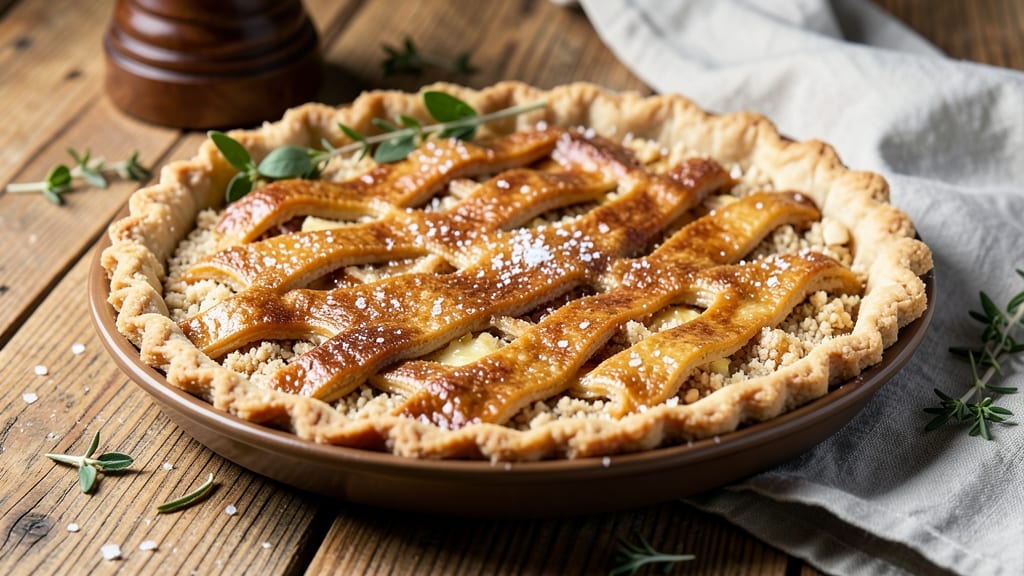
This gluten-free almond pie crust recipe delivers the perfect balance of nutty crunch and tender texture without the flakiness struggles of traditional crusts. 🌟 The secret lies in almond flour's natural binding properties and a precise blend of butter and eggs that creates a sturdy yet delicate foundation.
I've perfected this recipe over years of baking, ensuring it holds its shape even with juicy fruit fillings like berries or custards.
The beauty of this crust is its versatility—it works equally well for classic apple pies, rich pecan pies, or even savory tart applications. What sets it apart is the 30-minute prep time and 15-minute bake, making it ideal for last-minute dessert cravings.
The crust achieves a golden-brown finish with a satisfying crackle that rivals any traditional pie crust, all while being completely gluten-free.
What you'll achieve is a pie crust that's sturdy enough to hold its shape but tender enough to melt in your mouth. The almond flavor adds a sophisticated touch to any dessert, and the texture remains crisp at the edges while staying slightly soft in the center.
This recipe has become my go-to for gluten-free baking, delivering professional results every time.
Perfect for holiday gatherings, special occasions, or satisfying a sweet tooth on busy weeknights. The crust can be prepared ahead and stored for up to 5 days, making it a practical solution for meal preppers. Let's get started on creating this foolproof foundation for your next pie masterpiece.
Ingredients for almond pie crust recipe gluten free
Eight simple ingredients transform into the perfect gluten-free almond pie crust foundation.
| Ingredient | Amount | Notes |
|---|---|---|
| Almond Flour 🌰 | 2 cups | Finely ground, unsweetened |
| Unsalted Butter 🧈 | 1 cup | Cold, cubed, full-fat |
| Large Eggs 🥚 | 1 whole | Room temperature, beaten |
| Granulated Sugar 🍚 | ¼ cup | Fine grain preferred |
| Vanilla Extract 🌸 | 1 tsp | Pure vanilla preferred |
| Salt 🧂 | ½ tsp | Fine sea salt |
| Lemon Zest 🍋 | 1 tbsp | From organic lemon |
| Ice Water 💧 | ¼ cup | Chilled, for binding |
| All-Purpose Flour 🌾 | 2 tbsp | For texture adjustment |
Almond flour is the star here—Bob's Red Mill or King Arthur brands are my go-to for consistent texture. The butter needs to be cold (pop the cubes in the freezer for 10 minutes if your kitchen's warm), or the crust will turn greasy. I always grab Plugrá butter from Whole Foods—it's the most reliable for baking. The eggs should be at room temperature for even mixing, but don't stress if they're cold—they'll warm up as you work. For the almond flour, sift it first to avoid lumps, which makes all the difference in that silky texture.
No almond flour? Almond meal works in a pinch, but it's coarser and may affect texture. Short on butter? Coconut oil at the same amount gives a slightly different flavor but works well. The vanilla extract can be vanilla bean paste if you're feeling fancy—just reduce the amount to 0.5 tbsp. For the lemon zest, organic lemons are best (the thick, yellow part only). If you're making this ahead, wrap the dough tightly in plastic and chill for up to 2 days before baking. The all-purpose flour is optional but helps bind the crust if your almond flour is particularly fine.
This crust keeps beautifully—5 days in the fridge wrapped airtight, or 3 months frozen between parchment paper. I like to pre-bake the crust for 15 minutes before adding fillings to prevent sogginess. For a nutty flavor boost, toast the almond flour in a dry pan for 2 minutes before mixing. The crust reheats well too—just cover with foil and warm at 350°F for 10 minutes. Make a double batch and freeze half for when pie cravings strike unexpectedly.
Why You'll Love This Recipe
- No-Fuss Assembly: I swear by this crust because it’s three ingredients plus a pulse—literally. Just dump almond flour, cold butter, and ice water into a food processor, hit pulse, then shape. No rolling, no tears, no waiting for dough to rest. Honestly, it’s the kind of recipe that makes me want to bake more often.
- Buttery Vanilla Crunch: That touch of vanilla in the dough? It’s not just for flavor—it’s for soul. The crust gets this golden, nutty crunch with a whisper of sweetness, and the butter keeps it rich without being heavy. Pair it with a tart filling, and you’ve got dessert that tastes like a hug from a bakery.
- Pie for Any Occasion: Weeknight dessert? Check. Holiday potluck? Double check. This crust holds its shape like a champ, whether it’s a classic apple pie or a fancy chocolate tart. And because it’s gluten-free, it’s the safe bet for friends with dietary needs—no one feels left out.
Step-by-step instructions for gluten-free almond pie crust
Here's how to create a sturdy, nutty crust that holds up perfectly for your pie filling.
👨🍳 Step 1: Mix Dry Ingredients for Perfect Texture
In a large bowl, combine the 2 cups almond flour, 2 tablespoons all-purpose flour, 0.25 cup granulated sugar, 0.5 teaspoon salt, and 1 tablespoon lemon zest. Use your fingers to break up any lumps in the almond flour—this ensures a smooth, even texture. The lemon zest adds a bright contrast to the nutty flavor while keeping the crust tender.
Here's the thing—almond flour can be finicky. If you notice any large clumps after mixing, pulse them through a food processor for 10 seconds to create a uniform consistency. This step prevents a gritty crust and ensures your filling stays put.
🍳 Step 2: Cut in Cold Butter for Flaky Layers
Add the 1 cup cold, cubed unsalted butter to the dry mixture. Using a pastry cutter or two forks, work the butter into the flour until you achieve pea-sized crumbs with some larger pieces remaining. This texture is crucial—it creates those beautiful, flaky layers when baked.
Don't rush this step. I like to press the butter pieces into the flour with my fingers, working quickly to avoid melting. If the mixture starts to look shaggy, chill it in the fridge for 5 minutes before proceeding. Cold butter is your secret weapon for a crisp crust.
👨🍳 Step 3: Add Wet Ingredients for Binding
In a separate small bowl, whisk together the 1 whole large egg, 1 teaspoon vanilla extract, and 0.25 cup ice water. The ice water is key—it helps bind the crust without making it soggy. Pour this wet mixture into the dry ingredients and gently stir with a silicone spatula until just combined.
Be careful not to overmix. You want the dough to hold together when pressed, but it should still look slightly crumbly. If it feels too dry, add 1 teaspoon more ice water; if too wet, sprinkle in 1 tablespoon more almond flour. The dough should gather into a loose ball when pressed.
🥘 Step 4: Chill and Roll for Easy Handling
Divide the dough into two equal discs, wrap each in plastic wrap, and flatten into 6-inch circles. Place them on a plate and refrigerate for at least 1 hour (or up to 24 hours). Chilling firms up the butter and makes rolling much easier—no more frustrating cracks or tears.
When ready, roll out one disc on a lightly floured surface to fit your 9-inch pie dish. The crust should be about ⅛-inch thick at the edges and slightly thinner in the center. Press it gently into the dish, letting it hang slightly over the edges—you'll trim the excess later.
🔥 Step 5: Blind-Bake for Structure
Preheat your oven to 350°F. Line the crust with parchment paper, fill it with dried beans or pie weights, and bake for 15 minutes. Remove the weights and bake for another 10-12 minutes until the edges are light golden brown and the crust feels set to the touch.
Here's where patience pays off. The crust should be firm but not dark brown. If it starts browning too quickly, tent it with foil. Once baked, remove the parchment and weights, then prick the bottom all over with a fork to prevent puffing when you add your filling.
Pro Tips For Making Almond Pie Crust Recipe Gluten Free
- CHILL THE BUTTER FIRST: Almond flour crusts hate warm butter—it melts into a greasy mess instead of flaky layers. Take your unsalted butter out of the fridge 10 minutes before mixing, then press it into cold cubes. This keeps the dough workable without turning it into almond paste.
- WEIGH THE ALMOND FLOUR: Scooping almond flour leads to inconsistent texture—some batches turn dense, others crumbly. Use a kitchen scale for precision (about 160g for a standard crust). Pack it lightly, but don’t compress it like flour. Trust the numbers, not your eye.
- UNDERMIX THE EGGS: Overworking the eggs makes the crust tough and rubbery. Beat them just until combined—no need for froth or ribbons. A few streaks of yolk are fine; this keeps the texture tender. I learned this the hard way after a pie crust that tasted like almond-flavored eraser.
- PRESS IT FAST, BAKE IT SLOW: Get the crust into the pan quickly and press it firmly into the edges—no gaps. Then, bake at 350°F (not higher) for 12-15 minutes until just golden. Watch it like a hawk; almond crusts burn faster than they look. Underbake slightly if you’re filling it—it’ll soften during baking.
Wine and beer pairings for this recipe
Sweet Wine Pairings
This nutty, buttery crust pairs beautifully with dry Riesling or Sauternes—their honeyed, floral notes complement the almond flavor without overpowering it. I love a chilled 2018 Château d'Yquem for pecan pie, as its caramelized sweetness mirrors the crust's richness.
For lighter fruit pies like berry or lemon, a crisp Moscato d'Asti adds effervescence that cuts through the density. 🍷
Rich Dessert Wines
If you're serving this crust with a chocolate ganache filling, reach for a Port wine like Vintage Tawny—its nutty, toasted character enhances the almond flavor. A Banyuls from France also works wonders, offering a bold, slightly oxidized profile that stands up to the crust's texture.
For a budget-friendly option, Muscat Canelli delivers the same bright, citrusy lift.
Beer Pairings
For beer lovers, a Belgian witbier like Hoegaarden is my go-to—its coriander and citrus notes refresh the palate between bites of crust. A honey brown ale (think Allagash Honey Brown) adds a malty sweetness that pairs perfectly with the nutty almond base.
If you prefer hoppier options, a light American lager like Miller Lite keeps things crisp and clean. 🍺
Coffee or Tea Finishes
After the meal, serve with espresso or chocolate-dipped espresso beans to deepen the dessert experience. The bitterness of coffee balances the crust's sweetness, while a chamomile tea with honey adds a soothing contrast. For a boozy twist, a Baileys-infused Irish coffee ties everything together beautifully.
Seasonal Variations
In summer, pair with sparkling rosé to highlight the crust's brightness. For winter, a spiced rum-infused dessert wine (like RumBarrique) adds warmth. The crust's versatility makes it the perfect canvas for experimenting with different beverages—trust me, you'll find your new favorite match. 💫
Nutrition facts
Frequently asked questions
Can I make this almond pie crust nut-free?
This recipe relies on almond flour for its signature texture and flavor, but you can adapt it! Replace the almond flour with 2 cups oat flour (blended from certified gluten-free oats) and add 1 tablespoon psyllium husk powder to help bind the crust. The flavor will be subtly different but still delicious. For a more neutral taste, try sunflower seed flour instead.
Why does my gluten-free crust turn out greasy?
Greasy crusts usually happen when the butter melts too soon. Always use cold butter (freeze cubes for 10 minutes if your kitchen is warm) and avoid overmixing. If your dough feels too soft, chill it for an extra 15-20 minutes before rolling. Another trick: sprinkle a little extra almond flour on your rolling surface to prevent sticking.
Can I use this crust for savory pies or tarts?
This crust works beautifully for savory applications like spinach and feta tarts or mushroom galettes. Simply reduce the sugar to 1 tablespoon and add 1 teaspoon dried herbs (like thyme or rosemary) to the dry ingredients. The almond flavor pairs wonderfully with earthy, cheesy, or meaty fillings. Just pre-bake the crust longer (20 minutes) to prevent sogginess.
How do I prevent cracks in the crust?
Cracks happen when the dough dries out or the butter melts unevenly. To fix this: 1) Don't overwork the dough—handle it as little as possible. 2) Chill the dough thoroughly (at least 2 hours in the fridge). 3) Use a pie dish with slightly tapered sides to help the crust adhere better. If cracks appear after baking, brush them with a little apricot jam and bake for 2-3 minutes to seal.
Can I make this crust ahead of time?
Yes! This crust stores beautifully. Wrap the shaped discs tightly in plastic wrap and refrigerate for up to 5 days or freeze for 3 months. For best results, thaw overnight in the fridge before rolling. If you've already baked the crust, store it at room temperature in an airtight container for 3 days or freeze for 2 months. Reheat frozen baked crusts at 350°F for 10 minutes before adding fillings.