
Desserts
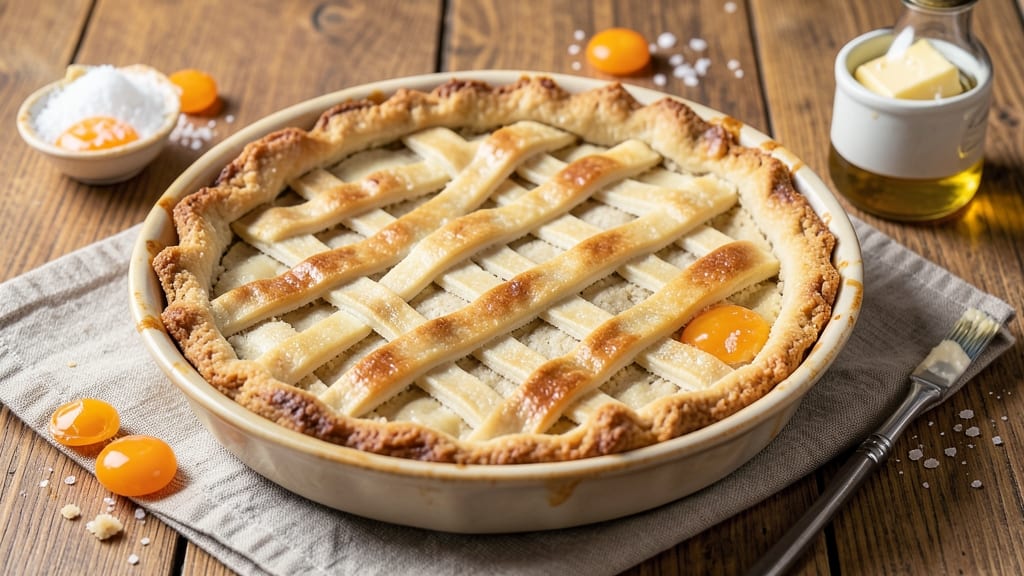
This almond flour butter pie crust recipe delivers the perfect balance of crisp edges and tender crumb—without the flakiness struggles of traditional dough. 💛 The secret lies in almond flour’s natural oil content, which creates a rich, nutty texture while butter adds depth.
Unlike conventional crusts, this version requires no rolling stress and bakes up golden and sturdy, ready for fruit fillings or custards.
Almond flour’s unique properties mean hydration is key—too much liquid makes it crumble, but the right balance yields a cohesive yet delicate crust. Chilling the dough is non-negotiable; it prevents cracking and ensures even baking.
The butter stays cool enough to create pockets of air, giving that signature pie crust shatter while maintaining a moist interior. This isn’t your grandmother’s crust—it’s a modern, foolproof foundation for desserts.
Bake until edges are golden and interior reaches 375°F for 15–20 minutes, then let it cool before filling. The result? A crust that holds its shape under weighty fruit or creamy custards, with a nutty aroma that elevates every bite.
No more soggy bottoms or greasy messes—just crisp perfection that tastes like it came from a bakery. Ready to transform your desserts?
Pair this crust with classic apple pie, a tangy lemon curd filling, or even a savory cheese tart for unexpected versatility. The possibilities are endless, and the technique is designed to work every time. Let’s get baking!
Ingredients for almond flour pie crust recipe with butter
Eight simple ingredients transform into a nutty, golden crust without rolling or stress.
| Ingredient | Amount | Notes |
|---|---|---|
| Almond Flour 🌰 | 2 cups | Blanched, finely ground |
| Unsalted Butter 🧈 | ¾ cup | Cold, cubed for texture |
| Granulated Sugar 🍚 | ¼ cup | For binding and sweetness |
| Large Egg 🥚 | 1 whole | Room temperature for blending |
| Vanilla Extract 🌿 | 1 tsp | Pure, high-quality extract |
| Salt 🧂 | ½ tsp | Fine sea salt preferred |
| Ice Water 💧 | ⅓ cup | Adjust for dough consistency |
| All-Purpose Flour 🌾 | ¼ cup | For structural cohesion |
Almond flour is the star—Bob’s Red Mill or Anthony’s Goods brands yield the finest texture. The blanched variety ensures neutral flavor without bitterness. Unsalted butter must stay cold to create flaky layers; European-style brands like Plugrá have higher fat content for better results. Sugar acts as a binder here, but don’t substitute brown sugar—it adds moisture that can make the crust crumble. The egg is non-negotiable; it’s what holds this delicate structure together.
Short on almond flour? Substitute 1 cup of oat flour (blended fine) for half the amount, but expect slightly less crispness. No vanilla? A pinch of almond extract works in a pinch, though it’s more potent. The all-purpose flour is optional but helps prevent cracking during baking—King Arthur is a reliable brand. For a dairy-free version, replace butter with 0.75 cup coconut oil (solid), though texture will differ slightly. Ice water is critical; add it gradually to avoid over-hydrating the dough.
This crust must chill for at least 1 hour before baking—no exceptions. Wrap tightly in plastic and refrigerate. Baked crusts keep 3 days at room temperature or 1 month frozen, wrapped in parchment. For savory applications, reduce sugar to 2 tbsp and add 1 tsp dried thyme. The nutty aroma intensifies with time, making it perfect for overnight prep.
Why You'll Love This Recipe
- No-Fuss Assembly: I swear, this crust comes together with one bowl—no food processor, no fussing with cold butter. Just mix almond flour, cold butter (cut into tiny cubes, not even chopped), sugar, egg, and vanilla. Press it in, bake it, done. My lazy Sundays thank me.
- Buttery Crunch Magic: That crispy, golden edge with a tender middle? The cold butter in almond flour does it every time. No greasy mess—just pure, rich flavor that tastes like a hug from a French patisserie. (Yes, even my pie-skeptical husband asks for seconds.)
- Pie for Any Occasion: Use it for classic apple pie, a no-bake cheesecake, or even savory galettes—it holds shape like a champ. I’ve made it for holiday dinners, last-minute dessert emergencies, and even as a crust for my kids’ "fancy" sandwiches. (They call it "cookie dough crust," but we’re not telling.)
- Budget-Friendly Luxury: Almond flour costs more upfront, but one batch stretches to three pies (or a pie + two tarts). The butter’s rich flavor means you use less filling, and the egg adds structure without extra cost. Honestly? It’s the only crust I make now—worth every penny for the taste.
Step-by-step instructions for almond flour butter pie crust
This crust delivers satisfying crispness without the traditional flakiness—here's how to assemble it perfectly.
👨🍳 Step 1: Mix Dry Ingredients for Optimal Texture
In a large mixing bowl, combine the 2 cups almond flour, 0.25 cup granulated sugar, 0.5 tsp salt, and 0.25 cup all-purpose flour. Use a whisk or fork to break up any lumps in the almond flour—this ensures even distribution and prevents graininess in the final crust.
I like to press the mixture through a fine-mesh sieve at this stage (optional but recommended) to eliminate any remaining clumps. The sugar helps create a tender crumb while the all-purpose flour adds just enough structure to prevent crumbling. Mix for about 30 seconds until completely homogeneous—you should see no visible flour streaks.
🍳 Step 2: Cut in Cold Butter for Crispy Layers
Add the 0.75 cup cold, cubed unsalted butter to the dry mixture. Using a pastry cutter or two forks, work the butter into the almond flour until the mixture resembles coarse crumbs with pea-sized butter pieces remaining. This texture is crucial—it creates those satisfying crispy pockets when baked.
Don't overwork the mixture or the butter will melt and create a dense, cake-like texture instead of a crisp crust. If you're using your hands, use a light touch and avoid pressing too firmly. The butter should still be cold to the touch after mixing—if it feels warm, chill the dough for 10 minutes before proceeding.
👨🍳 Step 3: Incorporate Wet Ingredients for Cohesion
In a separate small bowl, whisk together the 1 whole large egg, 1 tsp vanilla extract, and 0.33 cup ice water. The ice water is key here—it prevents the butter from melting too quickly during mixing and helps create a stable dough. Pour this wet mixture into the dry ingredients and gently stir with a silicone spatula.
Mix just until combined—you should have a soft, slightly sticky dough that holds together when pressed. If it feels too dry, add 1 tablespoon more ice water; if too sticky, sprinkle in 1 tablespoon more almond flour. The dough should be pliable but not wet. Let it rest at room temperature for 5 minutes while you prepare your pie dish.
🥘 Step 4: Press Dough Evenly for Uniform Baking
Lightly grease a 9-inch pie dish with butter or oil. Transfer the dough to the dish and press it evenly into the bottom and about 1 inch up the sides, using your fingers or a pie crust roller. I find the "docking" technique works well here—press the dough firmly but evenly, creating a smooth, even surface.
The key to a good almond flour crust is even thickness. Aim for about ¼-inch thickness at the bottom and sides. If you notice any cracks, gently press them closed with your fingers. The crust will shrink slightly during baking, so don't worry if it looks a bit loose in the dish initially.
🔥 Step 5: Bake to Golden Perfection
Preheat your oven to 350°F. Place a baking sheet on the lower rack to catch any potential drips. Bake the crust for 25-30 minutes until it's golden brown and firm to the touch. The edges should be crisp while the center remains slightly soft—this indicates proper baking without over-drying.
For extra crispness, I recommend broiling for 1-2 minutes at the end of baking time. Watch closely to prevent burning. Let the crust cool completely before filling—this prevents sogginess in your pie filling. The cooled crust should hold its shape well and have a satisfying crunch that's characteristic of almond flour crusts.
Pro Tips For Making Almond Flour Pie Crust Recipe With Butter
- Chill the Butter First: Almond flour crusts hate warm butter—it melts before the dough comes together, leaving you with a greasy mess. Take the butter out of the fridge 10 minutes before mixing, then press it into the almond flour with your fingers until it resembles coarse sand. This ensures even distribution without overworking the dough.
- Weigh the Almond Flour: Spooning almond flour into the bowl by volume leads to inconsistent results—too much, and your crust gets dense; too little, and it crumbles. Use a kitchen scale for precision (about 1 ½ cups = 150g). Pack it lightly into the measuring cup, then level it off—this keeps the texture tender without being gummy.
- Skip the Overmixing: The moment the dough starts looking like wet sand, stop. I used to think more mixing meant better binding, but almond flour crusts fall apart if you overwork them. Just fold the egg and vanilla into the butter-flour mix until barely combined—lumps are fine, they’ll disappear when pressed.
- Press It Firmly, Then Chill: Almond flour crusts need pressure to hold their shape, but don’t press too hard—you’ll compact the flour and end up with a dense base. Use the bottom of a glass to press the dough into the pan, then refrigerate for at least 30 minutes. This prevents shrinking during baking and guarantees a clean edge. (Yes, even if you’re impatient like me.)
Serving suggestions for this recipe
Classic Fruit Pairings
This nutty crust shines with tart berries like sliced rhubarb or blackberries—their acidity cuts through the richness beautifully. I recommend a classic apple pie with a mix of Granny Smith and Honeycrisp apples, lightly tossed in 1 tbsp lemon juice and 2 tbsp brown sugar.
For a summer twist, try peach slices with a vanilla bean custard filling. The almond flavor enhances the fruit's natural sweetness without overpowering it. 🍏
Creamy Filling Options
For a silky contrast, pair with lemon curd or pumpkin custard. I make my lemon curd with 3 egg yolks, ½ cup sugar, ¼ cup lemon juice, and 4 tbsp butter, baking until thickened.
A salted caramel filling also works wonderfully—just reduce 1 cup sugar with ½ cup heavy cream and 1 tbsp sea salt, then swirl it into the crust. The nutty base balances the sweetness perfectly. 🍯
Savory Surprises
Don’t limit this crust to sweets! Use it for a goat cheese tart with thinly sliced pear and honey drizzle, or a spinach and feta filling for a brunch twist.
For a holiday appetizer, try brie and fig jam—the almond flavor complements the creamy cheese beautifully. The crust’s sturdy structure holds up well to weighty fillings. 🧀
Garnishes That Elevate
Finish with toasted sliced almonds for extra crunch or a drizzle of honey to enhance the nutty notes. A sprinkle of flaky sea salt before serving balances the sweetness. For a festive touch, add edible gold leaf or cinnamon sugar along the edges.
These small details make your pie look (and taste) like it came from a bakery. ✨
Make-Ahead Magic
Bake the crust a day ahead and store it in an airtight container at room temperature. This allows flavors to meld and makes assembly easier. Just reheat for 5 minutes at 350°F before adding filling.
For frozen storage, wrap the baked crust tightly in parchment and foil—it keeps for up to 3 months. Thaw overnight in the fridge before using. 📅
Nutrition facts
Frequently asked questions
Why does my almond flour crust crack during baking?
Cracking often happens when the dough isn't chilled long enough or isn't pressed evenly. Always refrigerate the dough for at least 1 hour before baking to prevent shrinking. Press the dough firmly into the pie dish and make sure it's ¼-inch thick—thinner spots will crack more easily. If cracks appear, gently press them closed before baking.
Can I make this crust without all-purpose flour?
Yes! Skip the all-purpose flour entirely, but you may need an extra 1-2 tablespoons of ice water to help bind the dough. The crust will still hold together but might be slightly more delicate. For extra structure, try substituting 2 tablespoons of oat flour instead. The texture will be more rustic but still delicious.
How do I prevent a soggy bottom in my almond flour crust?
Always bake the crust until it's fully golden and set, then let it cool completely before adding filling. For extra insurance, blind-bake the crust (cover with parchment and pie weights) for 10 minutes at 350°F before adding wet fillings. If using a custard or cream-based filling, chill it before pouring to reduce moisture transfer. A pre-baked crust stays crisp even with juicy fillings.
What's the best way to store a baked almond flour crust?
Store at room temperature in an airtight container for up to 3 days. For longer storage, wrap tightly in plastic and foil, then freeze for up to 3 months. Thaw overnight in the fridge before using. Reheat for 5 minutes at 350°F to restore crispness before adding filling. The crust reheats beautifully!
Can I use this crust for a savory tart instead of dessert?
Reduce the sugar to 2 tablespoons and add 1 teaspoon dried thyme for a nutty, herby base. Try pairings like spinach and feta, goat cheese and caramelized onions, or roasted red peppers and brie. The crust holds up perfectly to savory fillings and adds a lovely nutty contrast.