
Desserts
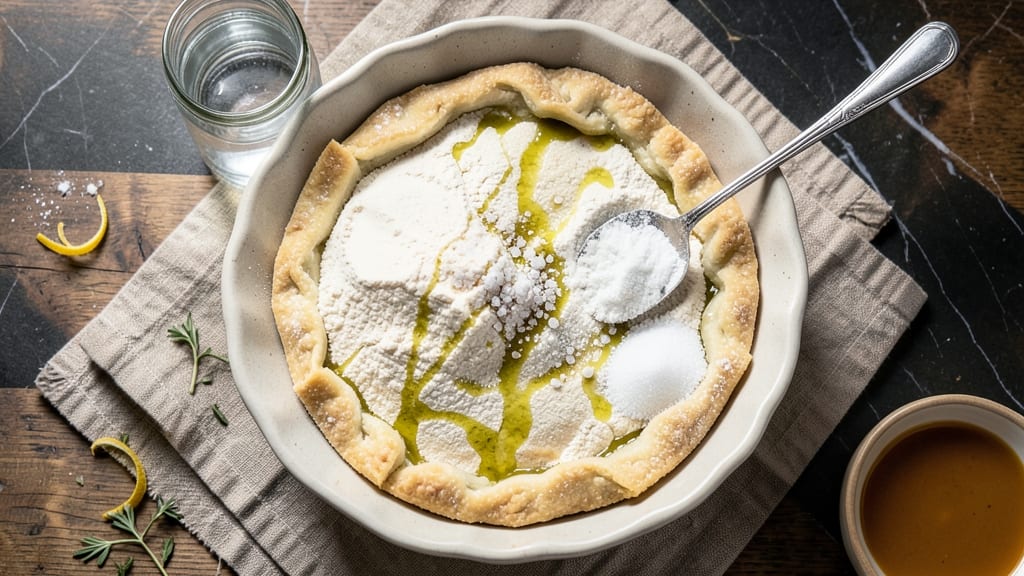
Alice Waters' pie crust recipe transforms simple flour, oil, and ice water into a golden, flaky masterpiece—no rolling pin required. This vegetarian classic relies on the chef’s signature technique of cutting cold fat into flour until it resembles coarse sand, ensuring layers so delicate they melt in your mouth. The beauty? It’s foolproof, requires just five ingredients, and delivers restaurant-quality results every time.
What sets this crust apart is its rustic charm and versatility—perfect for fruit pies, savory tarts, or even quiches. Alice Waters’ approach emphasizes whole foods and minimal processing, using cold-pressed oil instead of butter to maintain a neutral flavor while achieving that signature flakiness.
The secret? Keeping everything cold and working quickly to prevent the fat from melting prematurely.
By the time you slide it into the oven, you’ll have a crust with crisp, golden edges and a tender interior that’s impossible to resist. The best part? It’s beginner-friendly, with no need for fancy equipment or complicated techniques.
Whether you’re baking a classic apple pie or experimenting with a seasonal berry tart, this crust will elevate any dessert.
For extra confidence, blind-bake the crust before filling to ensure it holds its shape under fruit or custard. Pair it with seasonal produce—think stone fruits in summer or tart apples in fall—and let the crust shine as the perfect vessel for your creation. Let’s get baking!
Ingredients for alice waters pie crust
Five simple ingredients create Alice Waters' legendary flaky crust—no butter, no rolling pin, just pure magic.
| Ingredient | Amount | Notes |
|---|---|---|
| All-Purpose Flour 🌾 | 2 ½ cups | Sifted for light texture |
| Cold-Pressed Olive Oil 🫒 | ¾ cup | Extra-virgin preferred |
| Ice Water 💧 | ½ cup | Chilled, not frozen |
| Fine Sea Salt 🧂 | 1 tsp | Diamond Crystal preferred |
| Granulated Sugar 🍚 | 1 tbsp | For golden edges |
The flour is non-negotiable here. King Arthur or Bob's Red Mill work best—they're finely milled and sift easily. Cold-pressed olive oil is key; California Avocado Ranch or Colavita brands have that neutral flavor Alice Waters loves. The ice water needs to be ice cold—pop a glass in the freezer for 10 minutes if your tap water isn't. Pro tip: use a food processor for the fat-cutting step—it's faster than your hands and gives more even distribution. The sugar? Dominoand works fine, but organic cane sugar caramelizes better for those golden edges.
No olive oil? Cold-pressed avocado oil is the next best thing—same neutral profile. Short on flour? Swap in 1/4 cup cornstarch for better crispiness, but keep the total weight at 2.5 cups. Diamond Crystal salt isn't mandatory, but it dissolves better than table salt. The ice water can be chilled tap water plus 2 ice cubes if you're in a pinch. For extra flakiness, add 1 tbsp of cornmeal to the flour mix. And if you're baking in a humid climate? Chill the dough for 30 minutes before shaping.
This dough keeps 2 days in the fridge wrapped tightly in plastic—don't let it warm up. For longer storage, freeze shaped crusts on a tray, then transfer to a bag for up to 3 months. Blind-baked crusts freeze beautifully too—just thaw at room temp before filling. The secret to restaurant-quality edges? Sprinkle sugar on the rim before baking, then brush with cold water. Works every time.
Why You'll Love This Recipe
- No-Fuss Magic: I swear by this crust because it’s three ingredients plus salt and sugar—no butter, no fuss. Just flour, olive oil, and ice water, tossed together until it holds. My hands stay clean, my counter stays dry, and I’m not waiting for dough to chill.
- Olive Oil Luxe: That cold-pressed olive oil? It’s the secret. The crust turns out tender but sturdy, with a subtle richness that’s not buttery—more like a Mediterranean whisper. Honestly, it’s the kind of detail that makes me feel like I’m baking at a café in Provence, even if I’m just in my kitchen.
- Pie for Any Occasion: This crust plays nice. Too fancy for a weeknight? Roll it out for a rustic galette. Hosting a picnic? It’s sturdy enough for hand pies. My daughter’s school bake sale? Check. It’s the one recipe I can trust to shine everywhere.
- Budget-Friendly Staples: Flour, oil, salt—these are pantry basics, not splurges. I’ve made this crust for years without breaking the bank, and the leftovers? They freeze like a dream. No wasted dough, no last-minute store runs, just pure, reliable baking.
Step-by-step instructions for Alice Waters' pie crust
This is the method Alice Waters swears by for a tender, flaky crust with golden edges—no rolling pin required.
Mix Dry Ingredients for Perfect Texture
In a large bowl, combine the 2.5 cups All-Purpose Flour, 1 tsp Fine Sea Salt, and 1 tbsp Granulated Sugar. I like to whisk these together for about 30 seconds—just until the salt and sugar are evenly distributed. This step ensures your crust won't taste flat or overly sweet, and the sugar helps create those beautiful golden edges later.
Here's the thing—don't skip sifting the flour if you can. I know it's extra work, but it prevents lumps and gives you that signature light, airy texture Alice Waters is known for. If you're short on time, at least break up any obvious clumps with your fingers before moving on.
Cut in the Olive Oil for Flaky Layers
Add the 0.75 cup Cold-Pressed Olive Oil to the dry ingredients. Using a pastry cutter or two forks, work the oil into the flour until you have pea-sized crumbs. This is where the magic happens—those little oil pockets will melt during baking and create steam, which separates the layers of dough for that perfect flakiness.
Don't be tempted to overwork this step. You want to see some dry flour still visible when you're done. If the mixture starts to look like wet sand, you've gone too far. The goal is to distribute the oil evenly without developing gluten—this keeps your crust tender, not tough.
Add Ice Water for Structural Integrity
Now comes the most critical part: the 0.5 cup Ice Water. Add it 1 tablespoon at a time, mixing gently with a fork after each addition. You're looking for the dough to just come together—it should hold when pressed but still feel slightly crumbly. This is the "shaggy" stage that's perfect for pie crust.
I can't stress enough how important the ice water is. Using cold water prevents the gluten from developing too much, which keeps your crust tender. If the dough feels too dry, add a tiny bit more water. If it's too sticky, let it sit for 5 minutes—the flour will absorb the moisture naturally.
Form and Chill for Maximum Flakiness
Turn the dough out onto a lightly floured surface and gently shape it into a 1-inch thick disc. Don't worry about making it perfect—this isn't a pie crust you'll be rolling out later. Wrap it tightly in plastic wrap and refrigerate for at least 2 hours (I usually do 3-4 hours for best results).
This chilling step is non-negotiable. It firms up the dough so it's easier to handle later, and it allows the gluten to relax. If you're in a hurry, you can pop it in the freezer for 30 minutes, but the longer it chills, the better your crust will be. Pro tip: Place a small plate on top of the dough in the fridge to help it maintain that flat disc shape.
Assemble and Bake for Golden Perfection
When you're ready to bake, preheat your oven to 375°F. Unwrap the chilled dough and let it sit at room temperature for 10 minutes before handling. Press the dough gently into your pie dish, using your fingers to work it into the corners and up the sides. The edges should be about ½-inch thick—this is where that golden color develops.
Prick the bottom all over with a fork to prevent air pockets, then blind-bake for 15 minutes. Remove the weights, brush the bottom with a little beaten egg white (optional but recommended), and bake for another 10-15 minutes until the edges are deep golden brown. The secret to those perfect edges is that sugar we added earlier—it caramelizes beautifully during baking.
Pro Tips For Making Alice Waters Pie Crust
- CHILL THE FLOUR FIRST: I learned this the hard way—dumping cold flour into warm hands while mixing olive oil and ice water just makes everything sluggish. Toss the flour in the freezer for 10 minutes before measuring. The colder it starts, the easier it is to keep the dough from developing gluten and turning tough.
- MEASURE WATER BY WEIGHT: The recipe calls for ice water, but eyeballing it leads to inconsistent results. Use a kitchen scale—100g of ice water (about 100ml) is more reliable than guessing. If you’re in a hurry, freeze water in an ice cube tray and add cubes directly to the dough; they’ll melt slowly and keep things cold.
- WORK FAST AFTER MIXING: Once you add the ice water, the clock starts ticking. The dough will start to warm up and lose its crumbly texture within 5 minutes. Shape it immediately—no lingering over the bowl. If it feels sticky, sprinkle a tiny bit of flour on your hands, but don’t overdo it or you’ll end up with a dry, crumbly mess.
- LET IT REST (YES, REALLY): I know, I know—you’re eager to roll it out. But give the dough a solid 30 minutes in the fridge before handling. This relaxes the gluten and makes it easier to roll without tearing. If you’re in a rush, wrap it tightly in plastic and let it sit while you preheat the oven. Trust me, your crust will thank you.
Creative variations of this alice waters pie crust
Fruit Pie Variations
Alice Waters' crust shines with seasonal fruits—try a classic apple pie with Honeycrisp apples and a touch of cinnamon in the filling. For summer, peach pie with Bosc peaches and a splash of bourbon in the syrup elevates the dish.
I like to brush the baked crust with apricot jam before adding the fruit for extra depth. 🍐
Savory Tart Options
Transform this crust into a spinach and goat cheese tart by mixing 4 cups baby spinach, 8 oz goat cheese, and 1 egg before baking. For a mushroom and caramelized onion tart, sauté 1 lb mushrooms and 2 large onions until golden, then spread over the crust.
The neutral olive oil flavor lets the savory ingredients truly shine. 🍄
Vegan Adaptations
For a vegan version, replace the granulated sugar with 1 tbsp maple syrup and use flax eggs (1 tbsp ground flaxseed + 3 tbsp water) for brushing. The crust remains flaky without butter—just ensure your olive oil is cold-pressed and refrigerated during mixing.
I’ve tested this with berry tarts and it holds up beautifully. 🌱
Regional Twists
In California, add figs and walnuts to the crust for a rustic twist, inspired by Waters' farm-to-table ethos. For a Southern-inspired version, swap 1 tbsp olive oil for rendered duck fat and top with pecans. The crust’s simplicity lets regional flavors take center stage. 🗺️
Freezer-Friendly Fillings
Pre-bake the crust, fill with pre-cooked fruit compote or savory mixture, and freeze the assembled tart for up to 3 months. Thaw overnight in the fridge before baking. I like to make blueberry galettes this way—the crust stays crisp even after freezing. Perfect for holiday prep! ❄️
Nutrition facts
Frequently asked questions
Why does Alice Waters' crust use olive oil instead of butter?
The olive oil creates a neutral flavor base that lets the filling shine, especially in vegetarian dishes. Cold-pressed oil also produces more delicate layers than butter—those tiny pockets of fat melt during baking to create steam, resulting in that signature flakiness. Plus, it's easier to handle cold than butter!
Can I make this crust without a food processor?
Use two forks or your fingers to cut the oil into the flour until you get pea-sized crumbs. Work quickly to keep everything cold—this prevents the fat from melting prematurely. Just be patient and don't rush the process.
How do I fix a soggy bottom in my fruit pie?
Prevent soggy bottoms by blind-baking the crust for 15 minutes before adding filling. For extra insurance, sprinkle 1/4 cup crushed cornflakes or raw rice on the bottom before baking, then remove them after the initial bake. Chill the filling before adding it to the crust too.
What's the best way to store leftover crust?
Wrap shaped crusts tightly in plastic wrap and refrigerate for up to 2 days. For longer storage, freeze shaped crusts on a tray for 30 minutes to firm them, then transfer to a bag for 3 months. Thaw overnight in the fridge before using. Never refreeze thawed crust.
Can I use this crust for savory dishes like quiche?
Perfectly! This crust works beautifully for quiches and savory tarts. The olive oil gives a neutral flavor that won't compete with cheeses or vegetables. For extra crispiness, brush the baked crust with a mix of 1 tbsp olive oil + 1 tbsp water before adding your filling.