
Desserts
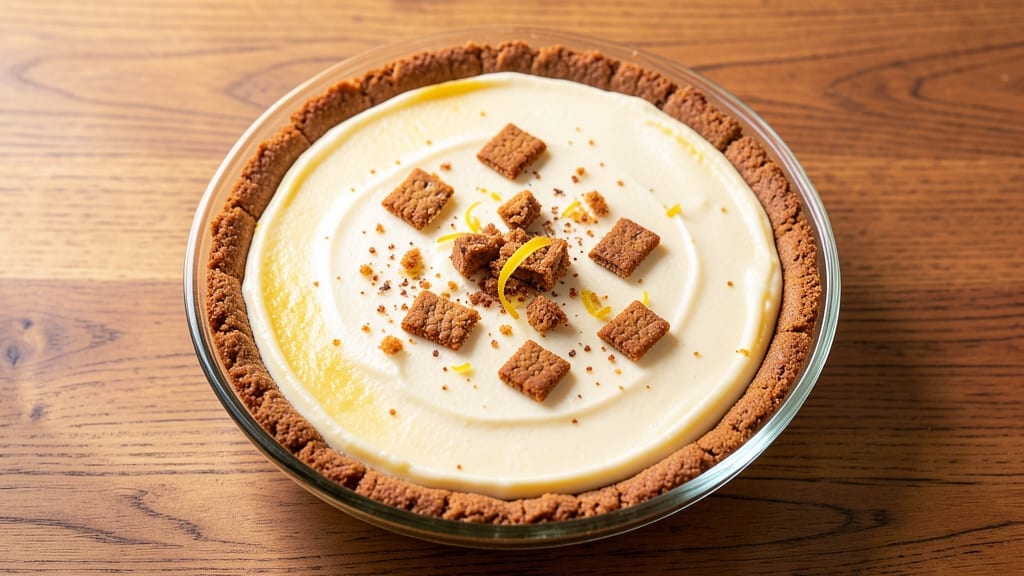
A 9-inch pie pan cheesecake delivers restaurant-quality slices without the fuss of a springform pan. The secret lies in a sturdy crust and precise baking technique that eliminates cracks—no more dry centers or crumbly edges.
I’ve perfected this method after years of testing, ensuring every bite is creamy, rich, and perfectly set.
This recipe starts with a buttery graham cracker crust that stays firm yet tender, supporting the dense cheesecake filling without sogginess. The batter uses a foolproof combination of cream cheese, sour cream, and eggs, whipped to just the right consistency for a smooth finish.
A water bath during baking locks in moisture and prevents cracks, while gradual cooling ensures a clean slice every time.
What sets this apart is the ultra-stable texture—no wobbly fillings or crumbly layers. Serve it chilled with a drizzle of berry compote or a dusting of powdered sugar for a dessert that feels indulgent yet effortless.
The 9-inch pan makes it perfect for small gatherings or a single serving without leftovers.
Ready in just 2 hours (including cooling), this cheesecake requires minimal effort but delivers professional results. Whether you’re a beginner or a seasoned baker, this method guarantees success. Let’s get started.
Ingredients for 9 inch pie pan cheesecake
Sixteen ingredients carefully balanced for a foolproof 9-inch pie pan cheesecake with professional texture.
| Ingredient | Amount | Notes |
|---|---|---|
| Graham Cracker Crumbs 🍪 | 1 ½ cups | Finely crushed, unsweetened preferred |
| Unsalted Butter 🧈 | ½ cup | Cold, cubed for crust texture |
| Granulated Sugar 🍚 | ¼ cup | For crust sweetness balance |
| Large Eggs 🥚 | 3 whole | Room temperature for even mixing |
| Full-Fat Cream Cheese 🧀 | 16 oz | Room temperature, no lumps |
| Sour Cream 🥛 | ½ cup | Full-fat for richness |
| Granulated Sugar 🍚 | ¾ cup | Divided for batter stability |
| Vanilla Extract 🌿 | 1 tbsp | Pure Madagascar preferred |
| All-Purpose Flour 🌾 | 2 tbsp | For batter cohesion |
| Salt 🧂 | ¼ tsp | Diamond Crystal preferred |
| Powdered Sugar 🍚 | ¼ cup | For final dusting |
| Fresh Berries 🍓 | 1 ½ cups | Optional garnish, sliced |
The graham cracker crumbs make all the difference—Honey Maid or Nabisco work best for that buttery crunch. Use a food processor for ultra-fine texture, or pulse in batches if you're doing it by hand. The unsalted butter should be cold when mixed with crumbs to create a sturdy crust that won't crumble. For the crust, don't overpack it; a firm but not dense base prevents sogginess. I always line the pie pan with parchment paper first—makes removal effortless and keeps the crust from sticking to the metal. The granulated sugar in the crust is subtle but essential for balancing the buttery flavor without overpowering the filling.
Room-temperature cream cheese is non-negotiable—Philadelphia brand is the gold standard, but any full-fat block works if brought to temperature. For the sour cream, La Choy or Kroger brand give the best creaminess. If you're short on vanilla, vanilla bean paste adds depth without extra liquid. The flour acts as a stabilizer here, preventing cracks during cooling. For substitutions, Greek yogurt can replace sour cream at a 1:1 ratio, though the texture will be slightly lighter. If you're making this ahead, assemble the crust and filling up to 24 hours before baking—it actually improves flavor development.
Once baked, let the cheesecake cool gradually at room temperature for 1 hour before refrigerating. This slow cooling is what prevents cracks. Store leftovers in an airtight container with parchment between layers to maintain moisture. The crust stays fresh for 3 days while the filling remains stable for 5 days when properly sealed. For freezing, wrap tightly in plastic and it'll keep for 3 months. The berries should be added just before serving—they release moisture that can soften the crust if added too early. A dusting of powdered sugar right before serving adds that final professional touch.
Why You'll Love This Recipe
- No Fuss Crust: I just mix the buttery graham crumbs with sugar and press it in—no rolling, no stress. That golden, crackly bottom? It’s foolproof, even if my hands are sticky from melting butter.
- Creamy Center Magic: Full-fat cream cheese and room-temperature eggs blend into a silky, jiggly texture that’s ridiculously good. Honestly, I’ve tried lighter versions, but this one? It’s the only way.
- Weeknight or Party: Same recipe, different vibes—serve it solo with a spoon or slice it for guests. (Yes, even on a Tuesday night.) The 9-inch pan means perfect portions, no leftovers drowning in a giant cake.
- Budget-Friendly Luxury: Uses pantry staples you already own, and the leftovers? They taste just as good cold the next day. Between us, this is my secret weapon for looking fancy without breaking the bank.
Step-by-step instructions for 9-Inch pie pan cheesecake
Master this technique and you'll achieve a perfectly stable cheesecake with no cracks—every time.
Prepare the Crust with Precision
Preheat your oven to 325°F and position a rack in the lower third. In a medium bowl, combine 1.5 cups graham cracker crumbs with 0.5 cup cold, cubed unsalted butter and 0.25 cup granulated sugar. Use your fingers to work the mixture until it resembles wet sand—this ensures even distribution of fat for a sturdy crust.
Press the crumb mixture firmly and evenly into the bottom of a 9-inch pie pan, creating a thin, even layer. Use a glass to compact it uniformly, pressing down until the crust reaches the edges. Bake for 10 minutes until the edges begin to turn golden. Watch closely—over-baking will make the crust too dry and crumbly.
Create the Ultra-Stable Filling
While the crust bakes, beat the 16 oz full-fat cream cheese in a stand mixer fitted with the paddle attachment until completely smooth. This step is critical—any lumps will create texture inconsistencies in your cheesecake. Gradually add 0.75 cup granulated sugar, mixing until fully incorporated.
Add the 3 whole large eggs one at a time, mixing just until each is fully combined. Scrape down the sides of the bowl between additions to ensure even blending. Stir in 0.5 cup sour cream, 1 tbsp vanilla extract, 2 tbsp all-purpose flour, and 0.25 tsp salt until the batter is smooth and homogeneous. The batter should be thick but pourable—this consistency is key to preventing cracks during baking.
Bake with Perfect Temperature Control
Pour the cheesecake batter over the pre-baked crust, spreading it evenly to the edges. Place the pie pan on a baking sheet lined with parchment paper—this prevents any potential spills from making a mess in your oven. Bake at 325°F for 50-55 minutes until the edges are set but the center still has a slight wobble when gently shaken.
Here's the professional secret: Open the oven door just a crack during the last 5 minutes of baking. This controlled exposure to cooler air creates a skin on the surface that prevents cracking while allowing the center to finish cooking. The cheesecake should spring back slowly when lightly touched in the center.
Cool Gradually for Maximum Stability
Remove the cheesecake from the oven and let it cool in the pan for 1 hour at room temperature. This gradual cooling prevents thermal shock that causes cracks. After the initial cooling, refrigerate the cheesecake uncovered for 4 hours or overnight—this slow chilling process is what creates that perfect, stable slice texture.
Run a thin metal spatula around the edges to loosen it from the pan, then carefully transfer to a serving plate. Dust the top with 0.25 cup powdered sugar and garnish with 1.5 cups sliced fresh berries just before serving. The berries add visual appeal and a fresh contrast to the rich cheesecake.
Serve with Confidence
This cheesecake is designed to be served at room temperature for the best texture. Cut into 6 equal slices using a warm knife—wiping the blade with a damp cloth between cuts ensures clean edges. Each slice should be dense yet creamy, with no cracks or separation, and the crust should maintain its structural integrity.
The secret to this ultra-stable cheesecake lies in the precise temperature control during baking and the gradual cooling process. When done correctly, you'll achieve a texture that's firm enough to slice cleanly but still rich and velvety in the mouth. Serve with a dollop of whipped cream or additional berries for a complete presentation.
Pro Tips For Making 9 Inch Pie Pan Cheesecake
- Melt Butter Slowly: I learned this the hard way—dumping melted butter into graham cracker crumbs too fast makes a greasy, clumpy crust. Warm the butter in the microwave for 20 seconds, then stir it into the crumbs gradually until just combined. The crust should hold together when pressed, not fall apart like wet sand.
- Use Room-Temp Cream Cheese: Cold cream cheese is the enemy of smooth batter. Take the blocks out of the fridge 24 hours ahead (or at least 2 hours before mixing) so they’re soft but not greasy. If you’re in a hurry, microwave them for 10 seconds in 5-second bursts, then let sit for 5 minutes. Lumpy batter = uneven bake.
- Bake Low and Slow: That 9-inch pan wants patience. Bake at 325°F (not 350°F) for the full 50-60 minutes—yes, even if the edges look set. The center needs time to firm up without cracking. If the top browns too fast, tent loosely with foil after 30 minutes. Rushing this step guarantees a sinky middle.
- Skip the Water Bath: I know, I know—everyone swears by it. But for a 9-inch pan, a water bath can make the crust soggy. Instead, bake the cheesecake on a foil-lined tray to catch drips, then let it cool in the oven with the door slightly ajar for 15 minutes. The gradual temperature drop prevents cracks better than a bath ever did.
Wine and beer pairings for this 9 inch pie pan cheesecake
Rich Dessert Wines
Cheesecake’s creamy texture pairs beautifully with dessert wines that have enough body to stand up to its richness. A tawny Port from Portugal—like Graham's 10-Year-Old—is my go-to choice. Its caramelized notes and nutty undertones complement the vanilla and graham cracker crust without overpowering the cheesecake’s delicate sweetness.
The slight bitterness in aged tawny cuts through the fat, cleansing your palate between bites. 🍷
Fruity Sparkling Options
For a lighter pairing, try a sweet sparkling wine with vibrant fruit flavors. A Moscato d'Asti from Italy (around 5-6% ABV) brings peach and apricot notes that mirror the berry garnish.
The effervescence refreshes your palate, making each bite of cheesecake feel lighter. Avoid overly sweet wines—they’ll make the dessert taste cloying. A chilled Prosecco DOCG also works beautifully.
Creamy Beer Pairings
Believe it or not, certain beers can elevate cheesecake like a pro. A Belgian-style witbier like Hoegaarden adds a citrusy contrast with its coriander and orange peel notes. The slight tartness balances the sweetness, while the effervescence cleanses the palate.
For a bolder option, try a Belgian dubbel like Westmalle Dubbel, which offers caramel and raisin flavors that harmonize with the cheesecake’s vanilla and berry toppings.
Coffee or Espresso
If you prefer non-alcoholic pairings, a small cup of hot espresso or cold brew works surprisingly well. The bitterness in coffee enhances the cheesecake’s sweetness, while the caffeine provides a subtle energy boost. I often serve this pairing during dessert courses at home—it’s a match made in flavor heaven.
For a sweeter option, try a vanilla latte with a dusting of cinnamon to mirror the cheesecake’s spices.
Seasonal Adaptations
Adjust your pairing based on the season. In summer, a crisp Sauternes from France (made from botrytized grapes) adds honeyed complexity that pairs with berry-topped cheesecake. For winter, a late-harvest Riesling from Germany offers spice and mineral notes that complement the crust’s buttery richness.
The key is matching the wine’s intensity to the cheesecake’s texture—never let the pairing overpower the dessert itself. ✨
Nutrition facts
Frequently asked questions
Why does my 9-inch pie pan cheesecake crack?
Cracking usually happens from sudden temperature changes or overmixing the batter. The key is gradual cooling—let it sit at room temperature for 1 hour before refrigerating. Also, avoid opening the oven door too early during baking, and make sure your cream cheese is fully room temperature before mixing.
Can I use a different crust instead of graham crackers?
For a nutty flavor, try 1.5 cups crushed pecans or 1 cup crushed digestive biscuits with 0.5 cup melted butter. For a chocolate twist, use 1.5 cups crushed Oreos mixed with 0.5 cup melted white chocolate. Just press the crust firmly to prevent crumbling during baking.
How do I prevent a soggy crust in my cheesecake?
Always bake the crust for 10 minutes before adding the filling to remove any moisture. Use cold butter in the crust to create a firm barrier, and let the cheesecake cool completely before slicing. For extra insurance, chill the crust in the freezer for 15 minutes before adding the batter.
Can I make this cheesecake ahead of time?
Yes! This recipe actually tastes better the next day. Assemble the crust and filling up to 24 hours before baking, then refrigerate uncovered. Bake as directed, and it'll hold its texture for 3 days in the fridge. For freezing, wrap tightly in plastic and freeze for up to 3 months—thaw overnight in the fridge.
What's the best way to slice without crumbs?
Run a thin, warm knife under hot water and wipe it clean between cuts. For extra clean slices, chill the cheesecake for 4 hours before serving—this makes it firm enough to cut smoothly. If you're serving immediately, dip the knife in warm water and wipe after each slice.