
Desserts
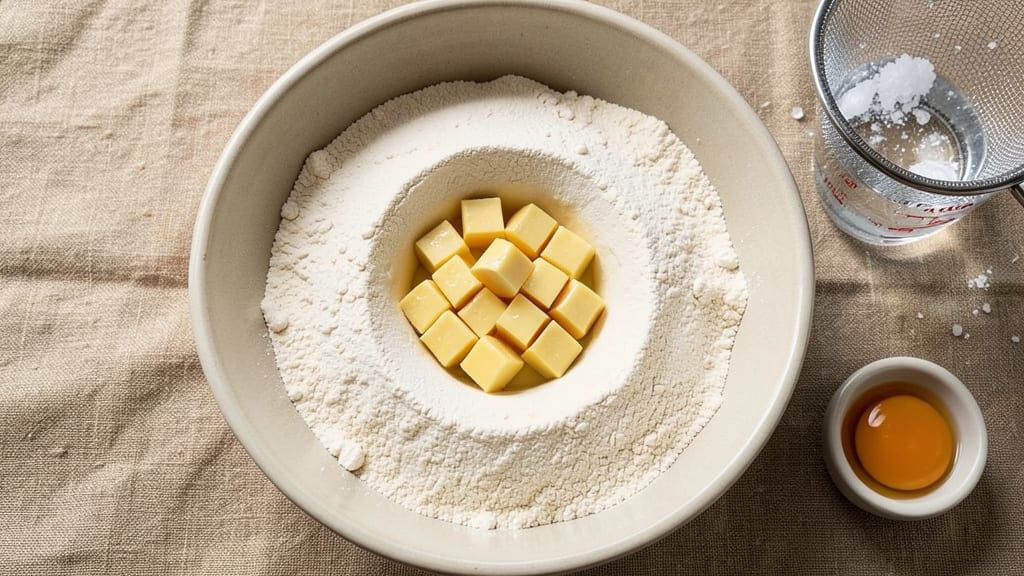
Mastering a 9-inch pie dough recipe with cold butter layers is the secret to shatterproof crusts that hold up to any filling. The key lies in precise technique and patience—chilling the dough thoroughly ensures flaky layers that stay crisp even under fruit or custard.
I’ve perfected this method over years of baking, and it’s the foundation for everything from classic apple pies to modern tart variations.
This recipe delivers a versatile dough that works for traditional pies, lattice crusts, or even rustic free-form edges. The cold butter creates delicate, melt-in-your-mouth flakes, while the simple ingredients—flour, salt, and butter—come together with minimal effort.
Whether you’re blind-baking for a quiche or creating a showstopping dessert, this dough adapts effortlessly.
By the end, you’ll have a golden, flaky crust that’s sturdy enough to hold heavy fillings without sogging. The secret? Keeping everything cold and handling the dough gently to avoid overworking it. This is the kind of crust that turns a simple pie into a restaurant-worthy masterpiece—every time.
Pair it with seasonal fruit, savory fillings, or even sweet custards for endless possibilities. Let’s get started with the foolproof method for perfect pie dough.
Ingredients for 9 inch pie dough
Cold butter and precise ratios create the foundation for a perfect 9-inch pie dough.
| Ingredient | Amount | Notes |
|---|---|---|
| All-Purpose Flour 🌾 | 2 ½ cups | Sifted for optimal texture |
| Unsalted Butter 🧈 | 1 cup | Cold, cubed, not softened |
| Ice Water ❄️ | ⅓ cup | Chilled for precise hydration |
| Diamond Crystal Kosher Salt 🧂 | ½ tsp | Fine grain for even distribution |
| Granulated Sugar 🍚 | ½ tsp | Balances dough sweetness |
| Large Egg Yolk 🥚 | 1 whole | Richens dough binding |
| Vanilla Extract 🌸 | ¼ tsp | Enhances flavor subtly |
The unsalted butter must be cold—cut it into cubes and refrigerate for at least 30 minutes before mixing. European-style butter like Plugrá or Bérenger yields superior flakiness due to its higher fat content. For the flour, King Arthur or Gold Medal brands provide consistent protein levels, crucial for structure. The ice water is non-negotiable; tap water won't create the same crisp, tender layers. If your kitchen is warm, chill your mixing bowl and utensils beforehand to maintain cold temperatures throughout the process.
No ice water? Freeze your measuring cup for 10 minutes to achieve the same effect. Substituting butter with shortening (like Crisco) increases shelf stability but sacrifices flavor. For a vegetarian rennet-free option, omit the egg yolk entirely and add 1 tablespoon cold vegetable oil to compensate for binding. The vanilla extract can be swapped for 1/4 teaspoon almond extract for a nutty twist, though it alters the flavor profile. When sifting flour, use a fine-mesh sieve to eliminate clumps that disrupt the delicate butter layers.
Wrap the dough in plastic wrap and refrigerate for at least 2 hours—this is critical for proper layering. For longer storage, freeze the dough between parchment sheets for up to 3 months. When ready to use, thaw in the fridge overnight. The dough should be cold but pliable when rolled; if too stiff, let it sit at room temperature for 10-15 minutes before shaping. For blind baking, use pie weights or dried beans to prevent puffing, and pre-bake at 375°F (190°C) for 15-20 minutes until golden.
Why You'll Love This Recipe
- No-Fuss Assembly: That cold butter and ice water combo? It’s the secret—no overworking the dough, no sticky mess. Just toss everything in a food processor, pulse a few times, and you’re done. (Honestly, I’ve made this wrong three times and still got a usable crust.)
- Buttery Crust Magic: The cold, cubed butter melts into flaky layers that make every bite worth it. That pinch of sugar? It caramelizes just enough to give the edges a subtle sweetness—like a hug for your taste buds.
- Pie Night, Every Night: Use it for apple, pumpkin, or even a savory chicken pot pie. The dough freezes perfectly, so I make a double batch and keep one in the freezer for lazy days. (Yes, even on a Tuesday night.)
- Budget Crust Winner: All-purpose flour and butter are pantry staples, and this recipe stretches to two pies with minimal cost. No fancy ingredients, just pure, reliable flavor that makes you feel like you’ve splurged.
Step-by-step instructions for 9-Inch pie dough
Master the cold butter method for a shatterproof crust that's flaky, sturdy, and perfect for any pie.
Mix Dry Ingredients and Cut in Cold Butter
In a large mixing bowl, combine the 2.5 cups all-purpose flour, 0.5 teaspoon Diamond Crystal kosher salt, and 0.5 teaspoon granulated sugar. Whisk briefly to distribute the salt and sugar evenly through the flour. This creates a uniform base for the butter to bind with.
Add the 1 cup cold, cubed unsalted butter to the flour mixture. Using a pastry cutter or your fingers, work the butter into the flour until you achieve pea-sized crumbs with some flour still visible. The butter should remain cold and firm—if it starts to soften, return the bowl to the refrigerator for 5 minutes to reset. This cold butter method is crucial for creating those signature flaky layers in your crust.
Add Wet Ingredients and Form the Dough
Create a well in the center of the flour-butter mixture and add the 1 whole large egg yolk, 0.25 teaspoon vanilla extract, and 0.33 cup ice water. Using a fork or silicone spatula, gently mix the wet ingredients into the dry until the dough begins to come together. Avoid overmixing—just combine until the dough forms a shaggy mass.
Once the dough starts to clump, use your hands to knead it lightly on a clean surface for about 1 minute. The dough should be cool to the touch and slightly tacky but not sticky. If it feels too dry, add 1 teaspoon ice water at a time until it holds together. Wrap the dough tightly in plastic wrap and refrigerate for at least 1 hour (or up to 2 days). This resting period allows the gluten to relax and the butter to firm up, ensuring optimal flakiness.
Roll and Transfer the Dough
Remove the dough from the refrigerator and let it sit at room temperature for 5-10 minutes to soften slightly. On a lightly floured surface, roll the dough into a 12-inch circle, about ⅛-inch thick. Gently transfer the rolled dough to a 9-inch pie dish, letting it drape slightly over the edges. Trim the excess dough, leaving about ½-inch overhang, then fold the overhang under itself to create a neat edge.
Using your fingers, crimp the edge of the dough decoratively by pinching it every ½-inch along the rim. This creates a professional-looking finish. For extra stability, chill the pie crust in the refrigerator for 20-30 minutes before adding fillings. This step prevents shrinking during baking and ensures your crust maintains its shape under the weight of the pie.
Blind Bake for a Sturdy Foundation
Preheat your oven to 375°F. Line the chilled pie crust with parchment paper, then fill it with pie weights or dried beans to prevent puffing. Bake for 15 minutes, then remove the weights and continue baking for another 5-7 minutes until the crust is lightly golden. This blind baking creates a sturdy base that won't sog under wet fillings.
For a fully pre-baked crust, bake until the edges are golden and the bottom is just beginning to brown. If the crust puffs during baking, simply press it down gently with a spatula—it will flatten as it cools. Let the crust cool completely before adding fillings to prevent melting. This method guarantees a crisp, shatterproof crust that holds its shape perfectly.
Pro Tips For Making 9 Inch Pie Dough
- Cut Butter in Small Batches: Work with 1-2 tablespoons of cold butter at a time—this prevents the mixture from getting too warm too fast. I learned this the hard way after watching my dough turn into a greasy mess when I dumped all the butter in at once.
- Use Ice Water, Not Cold: Fill your measuring cup with ice water (not just cold tap water) and let it sit for 5 minutes to chill further. The extra coldness keeps the dough from overworking, and your crust will stay flaky instead of tough.
- Skip the Overmixing: Once the dough comes together, stop mixing the second the flour disappears—just a few extra turns can develop gluten and make your pie dough chewy. It’s supposed to look shaggy, not smooth.
- Chill the Dough Twice: Divide the dough and refrigerate it for at least 1 hour, then wrap it tightly and freeze it for 20 minutes before rolling. This extra step prevents shrinking and makes handling it way easier—no more sticky disasters when you’re ready to roll.
Wine and beer pairings for this dish
Sweet Dessert Wines
For fruit-filled pies like apple or berry, a Moscato d'Asti or Riesling complements the sweet-tart flavors beautifully. The light effervescence of Moscato cuts through the richness of a buttery crust, while a semi-sweet Riesling from Germany—like Dr. Loosen Blue Slate—mirrors the acidity in tart apples or cherries.
Serve chilled to enhance the dessert experience. 🍷
Dry Red Pairings
Savory pies with meat fillings or caramelized onions pair wonderfully with Pinot Noir or Syrah. A Willamette Valley Pinot Noir offers red fruit notes that harmonize with savory crusts, while a Northern Rhône Syrah like Guigal Côte-Rôtie stands up to robust flavors like beef or mushroom fillings.
Let the wine breathe for 10-15 minutes before serving for optimal aroma.
Beer for Rustic Pies
A Belgian witbier like Stella Artois or Hoegaarden adds a refreshing contrast to spiced or cinnamon-infused pies. The citrusy notes brighten flavors like pumpkin or pecan, while the effervescence cleanses the palate.
For heartier pies, try a Belgian dubbel such as Westmalle Dubbel—its malty sweetness balances rich fillings like bourbon pecan or chocolate cream.
Creamy Pairings
For custard or cream pies, a Chardonnay with oaked notes—like Meiomi—adds a buttery richness that mirrors the crust. If you prefer whites without oak, a Viognier from California provides floral aromas that elevate vanilla or lemon-based fillings.
Always serve Chardonnay slightly cooler than room temperature for the best balance. 🍷
Seasonal Adaptations
Summer fruit pies shine with a Prosecco or Sparkling Gewürztraminer, while winter spiced pies like pumpkin or pecan pair beautifully with a Port wine or Banyuls. The caramelized notes in these fortified wines enhance the warmth of cinnamon and nutmeg.
For a non-alcoholic option, try sparkling apple cider—it’s festive and pairs perfectly with holiday pies.
Nutrition facts
Frequently asked questions
Can I make this 9-inch pie dough recipe without a food processor?
This recipe is designed to work perfectly with just your fingers or a pastry cutter. The key is to cut the cold butter into the flour until you get pea-sized crumbs—no food processor needed. Simply work quickly and keep everything cold to maintain those delicate butter layers.
How do I prevent my pie crust from shrinking during baking?
Chill the dough thoroughly for at least 2 hours before rolling, and always pre-chill the shaped crust for 20-30 minutes before baking. Use pie weights or dried beans for blind baking, and avoid overworking the dough. The secret is patience—cold dough handles heat better and maintains its shape.
Can I use this dough for savory pies too?
Yes! This versatile dough works beautifully for savory pies like quiche or pot pies. For extra flavor, add 1 tablespoon fresh herbs (like thyme or rosemary) to the dough or brush the baked crust with garlic butter before adding fillings. The same cold butter technique ensures a crisp, flaky base for any savory filling.
What’s the best way to store leftover pie dough?
Wrap the dough tightly in plastic wrap and refrigerate for up to 2 days, or freeze between parchment sheets for up to 3 months. When ready to use, thaw in the fridge overnight. For best results, let it sit at room temperature for 5-10 minutes before rolling to avoid cracking.
Why does my crust turn out tough instead of flaky?
Overworking the dough or using warm butter are the most common culprits. Keep everything cold, handle the dough gently, and avoid overmixing. The butter should remain in pea-sized pieces—if it melts during mixing, return the bowl to the fridge for 5 minutes to reset before continuing.